UConn@COP

The UConn@COP Fellowship Program strives to build future leaders in climate science and policy and to promote UConn’s leadership on climate change and sustainability issues through four main pillars:

1) Student Engagement
2) Experiential Learning
3) Interdisciplinary Group Discussion
4) Cultural Immersion

Participating fellows are selected through a highly competitive application process that considers GPA, relative extracurricular involvement, and an essay that speaks to their interest in the program.

The following blog articles have been written by past and present UConn@COP fellows, faculty, and staff, as well as by students who have attended events recapping the UConn@COP experience on campus.

Whole Truths and Half Stories

Faryal Akbar, Physiology and Neurobiology Undergrad ’27

I’ve spent most of COP31 going from one AI and data center talk to the next. My takeaway is the biggest problem in this debate isn’t the technology. It’s that we’re all in separate rooms, agreeing with people who already agree with us.

In one room, AI is the hero. Panelists described AI balancing the grid, bringing more renewables online with battery storage, and helping companies cut fuel use and emissions. The research partly backs them up. The IEA estimates AI grid tools could unlock up to 175 gigawatts of transmission capacity, more than data centers’ added needs through 2030 (IEA, 2025). Turkey launched the Antalya AI Pledge here, calling for data centers to run on clean power and efficient water systems. One speaker even argued that AI’s energy use isn’t the real problem, and that food corporations and fast fashion do far more damage.

In the other room, opposite. Frontline communities from Louisiana described facilities built on wetlands and in low-income neighborhoods that get the pollution but not the jobs, while elected officials sign NDAs instead of answering questions. A Harvard study released this week found that 403 U.S. HDCs ran on 54% fossil power and emitted 25.7 million metric tons of CO2 in a year (Guidi, 2026). In Memphis, xAI’s proposed gas turbines could cause $30 to 44 million in health damages a year (SELC, 2026).

My hot take is both rooms are telling the truth, and neither is telling the whole story.

The pro AI crowd talks about the grid of 2035 while skipping the communities living next to gas turbines today. Even their own projections show the tension, in the IEA’s high-growth scenario, data center electricity use reaches about 1,637 terawatt hours by 2035 (IEA, 2026). And China, held up as the AI leader, still got 58% of its electricity from fossil fuels in 2025 (Ember, 2026).
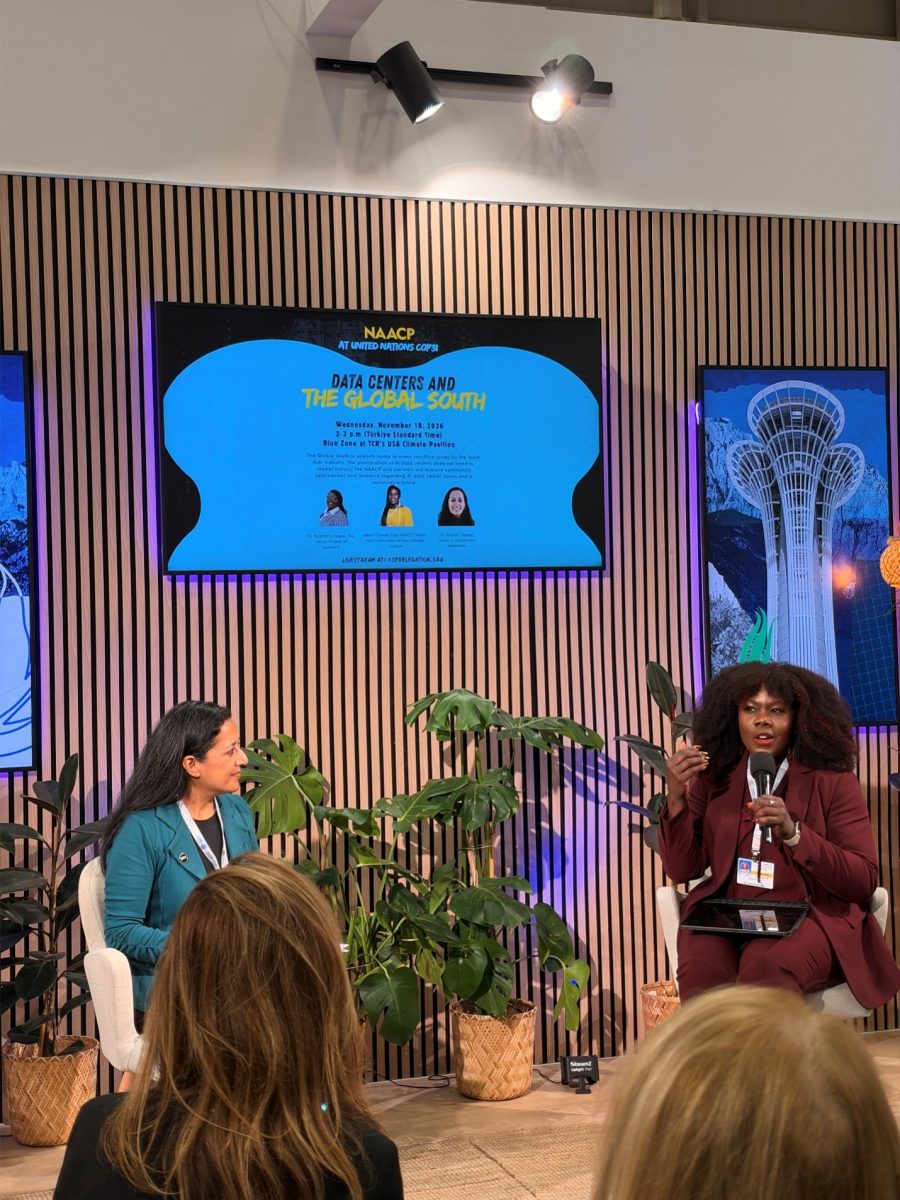
Data centers and the global south panel at COP31But the anti-AI crowd leans on misconceptions and fearmongering as well. The viral “bottle of water per prompt” claim covered a whole conversation and mostly counted water at power plants, real estimates range from 0.26 to 45 milliliters per prompt (CASW, 2025). Where a data center is built matters far more than any per prompt number. Globally, data centers are projected to stay under 1.5% of energy-related emissions through 2035 (IEA, 2025) which is real and growing, but not the main driver of climate change. They add to electric bills where demand is concentrated, but they aren’t the main reason prices are rising (Cybernews, 2026).

Even the Harvard study couldn’t separate AI from ordinary cloud computing. Shaming people for typing prompts misses the point too, since one person’s usage barely registers next to decisions about siting and power contracts.

The real question isn’t whether AI is good or bad. It’s who decides where these facilities go, what powers them, and who pays. Keep data centers away from coal plants and pair them with renewables and storage. Require companies to disclose their energy and water use. And bring frontline communities in before the permits are signed, not after the turbines are running.

Environmentalists are good at rallying people who already agree with us, but that won’t decide where the next wave of data centers gets built. This debate doesn’t need more people cheering in their own room. It needs people willing to walk into the other one.
Inevitability?

Samantha Glass, Ph.D. Candidate in Oceanography

Dialogue. Consensus. Action. If you were in Antalya, Turkey for COP31, you would find these words displayed everywhere. After three days here, I would argue that there should be a fourth: Inevitability. Inevitability has surfaced in multiple topics: the 1.5 °C temperature overshoot, carbon dioxide removal (CDR) and geoengineering strategies, artificial intelligence (AI) implementation, and polar sea ice loss. Across conversations, presentations, and negotiations, there seems to be a marked shift in how people are talking about climate change impacts and interventions compared to previous years.

On my first day at the conference, Monday, November 16, I attended a plenary session discussing scientific updates in our rapidly changing world and strategies for avoiding tipping points and managing overshoot. The writing on the “wall” was very clear: a 1.5 °C overshoot is inevitable. The commitments made under the Paris Agreement have not translated into sufficient implementation or emissions reductions to prevent temperatures from exceeding the 1.5 °C threshold. This reality makes many other climate impacts increasingly inevitable. Consequently, much of the conversation is shifting from how to avoid overshoot toward how to shave its peak, limiting its magnitude and duration.

As a graduate student wrapping up my PhD in polar marine carbonate chemistry, I have spent years thinking about how CO2 moves between the ocean, atmosphere, and sea ice. The relationship between warming ocean temperatures and sea ice loss is not abstract to me. Similarly, having also previously worked on a project focused on CDR technologies, this conversation was not entirely new to me. Every emission pathway assessed by the Intergovernmental Panel on Climate Change (IPCC) relies on CDR technologies to achieve net-zero and negative CO2 emissions. However, it seems some participants are only now reckoning with what this means in practice.

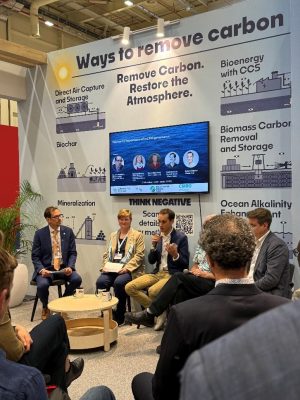
Oceans panel at COP31Across my first three days, I have explored a wide range of discussions spanning science policy intersectionality, climate science communication, CDR policy development, ocean and cryosphere science, the launch of the second Global Stocktake, and the negotiation process itself. I have been pushed to think more critically about feasibility as well as funding mechanisms and their limitations. Additionally, my interests have led me to engage in conversations about current trust in the IPCC and how challenges to scientific credibility can become distractions from the urgent need for action and implementation.

Adding inevitability to the COP31 messaging would reflect the growing recognition that some things can no longer be avoided. In fact, many impacts are not future possibilities but are already being experienced around the world. This recognition, thus, challenges us to understand the reality of what is at stake and use that to shape decisions.

Experiencing Climate Action on an International Stage

Judith Otunnu, Environmental Studies Undergrad ’27

My first few days of COP 31 have been nothing short of an experience I find immensely exhilarating, gratifying, and intriguing. Having the opportunity to be in a space where such influential negotiations regarding global climate policy are taking place is something I am extremely grateful for, and I have enjoyed engaging in high-level climate discussions with other individuals who share the same vision for our future as I do. Being able to learn from international leaders from such a diverse range of disciplines has allowed me to expand my knowledge about the wide array of perspectives that come with the climate crisis, and how each Party comes to the conference with different approaches to reach the same end goal.

At COP, attendees have the opportunity to visit each delegation’s pavilion, which encompass a variety of art and informational displays highlighting the initiatives each delegation has taken towards achieving their climate goals. These priorities include global strives toward meeting renewable energy targets, better incorporating the UN’s sustainable development goals, or building green cities, to name a few. Visiting each pavilion has been one of the most impactful parts of my experience so far, as I’ve been able to connect with different Party leaders and hear their views on what they hope COP accomplishes that would most benefit their home country. Listening to each pavilion’s panel discussions has allowed me to see the spectrum of implications that come with the climate crisis across the globe, and how COP is poised to create policies that alleviate these impacts. I have particularly enjoyed attending sessions that discuss who is disproportionately impacted by climate change, such as women and children in the Global South, and how Parties in the Global North have the power to assist with the expansion of climate adaption efforts through climate finance initiatives.

In addition, the pavilions have allowed me to witness the sentiments of joy that come from COP bringing the world together. When I visited Malaysia’s pavilion, they were extremely welcoming and eager to share their culture with the world through performance. They invited all of us in the audience to dance with them afterwards and showed such pride as they taught us one of dance routines. To me, it’s moments such as this one that serve to remind us why collective climate activism is extremely necessary, as shaping how we live now and, in coming years, offers us more opportunities to live in a world where we can continue relishing the human experience in such ways.

Traditional dancers in front of Malaysia pavilion at COP31

As the week continues, I am excited to continue connecting with global leaders at COP and seeing climate action come to fruition on an international stage. Upon returning to UConn, I hope to use my experiences to inform my academic and research endeavors and approach my work with a broader understanding of how the climate crisis manifests across the globe.

Climate Policy at Scale

Ryan Engels, Political Science Undergrad ’27

Just a few weeks ago, I was in Westbrook, Connecticut, chairing a meeting of my town’s Sustainability Committee. This week, I’m in Antalya, Turkey, attending the United Nations Climate Change Conference (COP31) as a UConn@COP Fellow. Safe to say, going from a local committee meeting to an international conference of stakeholders from nearly 200 countries, international agencies, and non-governmental organizations has been exhilarating but also overwhelming.

Frankly, I wasn’t sure what to expect once we arrived. At first, I was focused on a single goal: lying in bed after a grueling ten-hour flight across five time zones. Once acclimated, I was excited for the opportunity to engage with and learn from my fellow conferencegoers. During my first three days at COP31, I’ve had the chance to attend numerous talks on clean energy, climate resiliency, and, of course, data centers and artificial intelligence. I’m excited to share with you the lessons that I’ll bring back to my community. But first, I’d like to share my initial takeaway from my time in Antalya.

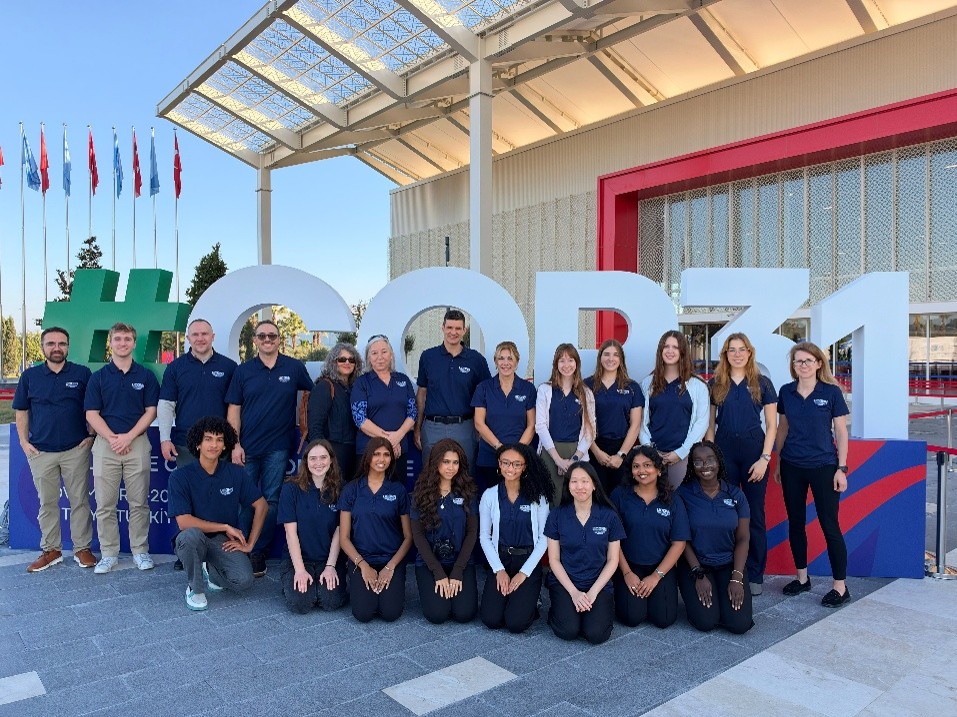
Group of students in front of COP31 sign.As others may have noticed, there is a lack of representation from the U.S. federal government. Upon taking office in January 2025, the administration withdrew from all international organizations that it deemed to be contrary to the interests of the U.S. This included COP, which it described as a body that promotes radical climate policies. As someone working on environmental policy, I found this decision deeply disturbing, and the repercussions, which may not be felt immediately, will haunt us for years. The absence of the U.S. at COP31 is troubling and sends a message to the global community, whether we agree with it or not: the U.S. doesn’t care.
Fortunately, U.S. congressional, state, and local leaders have stepped in to fill the gap left by the absence of the federal government. Supported by advocacy organizations and coalitions, over 120 congressional, state, and local leaders attended COP31. This included Governors Gavin Newsom and Tim Walz, Representatives Maxine Dexter and Jared Huffman, and Mayors Janet Cowell and Joe Ganim. I was pleasantly surprised to see these leaders step up. I had a chance to see many of them speak and was inspired by their dedication to securing a brighter future for their communities.

However, this status quo is unsustainable. U.S. environmental policy and the fate of our communities should not ebb and flow with partisan winds. Threats such as extreme weather, human displacement, food and water insecurity, and disease are here. They don’t care about what you look like, who you pray to, where you live, or who you vote for. They aren’t going away unless we act. But the world cannot win this fight without the U.S.

So, my first takeaway? The U.S. needs to take the lead on protecting the environment. But to do so, we must change the narrative around it. Make it material, not moral; connect it to people’s livelihoods; and speak like a human. As I’ve seen at COP, the science and policy are there, but the narrative isn’t. Without it, we will continue to lose this issue to partisanship and leave our future in the hands of whoever sits in the Oval Office.

Collective Action in Action

Brenny Alcantara, Environmental Science Undergrad ’27

My impressions of COP31 so far, both in the blue and green zone, are similar to what I had predicted. Prior to attending COP31, I participated in an interview in which they asked me what I expected to see during the event. I shared that I did not expect to see much action or collaboration beyond wordy agreements and shaky pledges. That because the global order which heads the event, the United Nations—a hegemonic organization that perpetuates the exploitation of the global south from the global north—is vested in the interest of capitalist expansion, we would not see any significant progress, from a policy standpoint, since environmental change, one of which would truly solve the issue of climate, rather than mere symptoms, is inextricably opposed to their interest. Furthermore, I had shared that it would primarily focus on technical solutions to an end. It has been exactly this. Throughout my time in the Blue Zone and Green Zone, I have been plastered with technical solutions towards adapting to climate change. Yet, nothing that goes beyond overhauling the confounding factor itself.

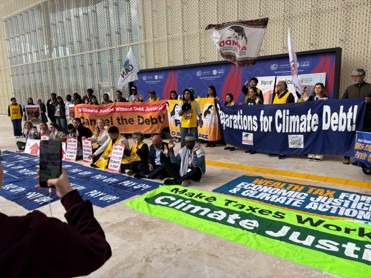
Protest against climate debt at COP31

Aside from disillusionment, my favorite part of COP31 has been the protests lead by organizers, indigenous groups, and the youth. Collective action critiquing economic models such as neoliberalism and capitalism and exploitative efforts such as colonialism and imperialism while tying them to environmentalism has been, without a doubt, the most complete understanding of environmental issues and climate change I have seen—at this event. Furthermore, their efforts in contrast to the bureaucratic structure of environmental reformism have stood out as, not only more serious, but caring and powerful. Due to this, and various other reasons, I am even more confident that collective action and anti-imperialist theory are the main weapons that the global working class has in hand to combat against the greatest force of our era; capitalism.

Climate’s Babel

Kinga Sigmond, Chemical Engineering Undergrad ’29

Protesters at cop31

“Oh, that’s the group that throws orange on paintings.”


Except, they weren’t.


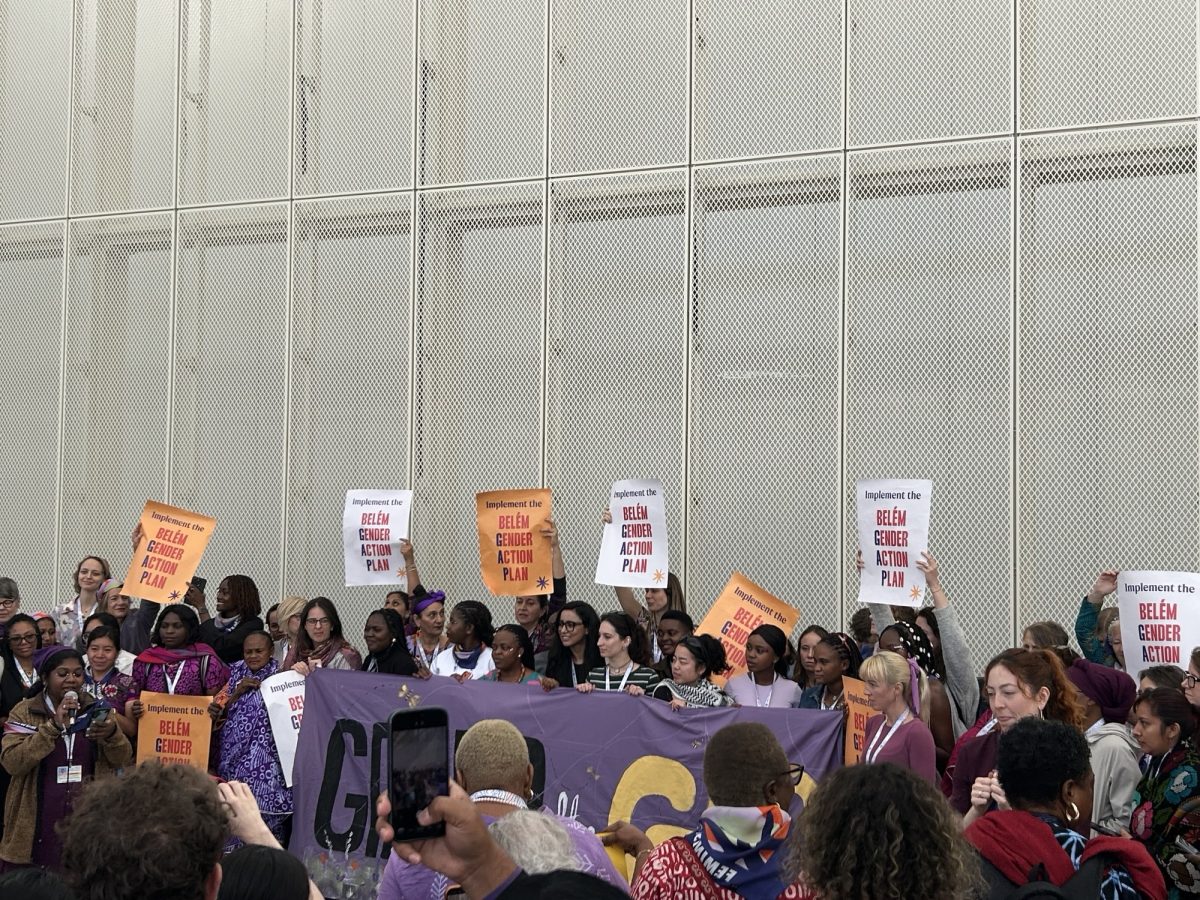
The group infamous for spraying orange paint and powder at landmarks is actually Just Stop Oil. Not the women featured in the image above. These women just happen to carry orange signs while protesting the world’s failure to implement the Gender Action Plan, a UNFCCC framework designed last year to advance gender-responsive climate policy. 


Out of everything I experienced in the first few days of COP—-a whirlwind of talks, presentations and protests—this interaction stuck with me the most, for two reasons.


First, the immediate negative association their orange signs elicited in the passersby (including myself) shocked me. Everyone at COP is here for the same reason: climate advocacy. Why is it that even people sympathetic to the cause can find protests instinctually off-putting? 


Movements like Just Stop Oil champion a good cause but their methods inevitably create divisions: between those who agree with both their cause and their tactics, those who agree with the cause but not the tactics, and those who reject both. The negative associations generated by a particular form of protest can easily bleed into the public sentiment toward the cause itself. This hurts the success of other protests like GAP and divides COP attendees at a time where cooperation has never been more crucial. 


Second, per the slogan visible everywhere around the venue, COP31 is the COP of implementation. And yet, here are people protesting precisely because implementation is still nowhere near where it needs to be. Those of you who know me know that I am an optimist. Be as that may, I can’t find myself optimistic about this COP of implementation. 


In the plenary session I attended, considerable effort went into removing non-binding language from the draft agreement, leaving key commitments open to interpretation. Absolute consensus means that things move slow like a boulder rolling uphill and the agreements made, become the lukewarm bog between heated and icy positions. 


Despite these frustrations I would like to end on a high note: the people. I’ve never seen so many cultures, religions, ethnicities and languages come together in one place and it is a wonderful Babel. I’ve learned not just about climate activism in other countries but also about folklore, fashion, and food. The fact that the world can get together and appreciate each other while fighting for a common cause leaves me hopeful.

Adaptation is not “One Size Fits All”

Megan Romansky, Applied and Resource Economics Masters Student

Over the last several days at COP31 in Antalya, Türkiye, I have continued to hear the same word time and time again: adaptation. Over the past several decades, the harsh realities of climate change have settled in, and we are experiencing its amplifying effects. It is impacting our long-term sustainability, including human health, infrastructure, and resource availability, at an exponential pace. Over the last three days at the conference, I have interacted with individuals from delegations representing the 198 parties and countless organizations that advocate and take action to address the current and future impacts of environmental degradation. Often, we focus on what action can be taken to stop climate change, focusing on the long-term initiatives that produce outcomes that take decades. However, in the present, we continue to experience the ongoing decline in our natural environment and need to address what can be done now to protect our communities and public well-being. Thus, adaptation is a critical topic of dialogue that I have been observing over the course of this week.

Notably, I have been a witness to many unique perspectives on how to adapt to climate change in the present. Adaptation, like evolution, is not a one-size-fits-all solution; rather, it must respond to the needs and current state of a country and its citizens. Many countries are inequitably experiencing the effects of global climate change and are responding with physical action to enable stronger infrastructure and incentivize cleaner business mechanisms in the agricultural and livestock industries. These countries, which are facing the greatest impacts of climate change, currently lack the necessary financial resources and investment to create sustainable long-term adaptation and transition to clean industry and economic development in comparison to the larger economies of the world.

Panel of speakers talking about adaptation and climate resilienceMany of the largest and most developed nations at COP have addressed adaptation through a financial lens. These nations often rely on investment mechanisms to promote short-term sustainability. However, they often face fewer of the impacts of the present environmental damage compared to other nations. One particular comment that highlighted this for me this week was during a panel hosted by Singapore. One of the members of this panel emphasized that environmental insurance is a current safeguard against future degradation that would happen in the country. This emphasized the notion that many of these nations have the ability to invest and develop financial operations for climate change in addition to the capital they are already spending for short-term environmental impacts. This difference highlights the inequity of climate change in the present, and relays the importance of environmental justice policies to allow presently affected nations to both adapt and thrive long term. As this week goes on, I hope to continue to witness more policy directed at financially supporting impacted nations, as they have to bear the burden of the pollution of the economic powerhouses.
Türkiye and COP31 have thus far been an incredibly eye-opening experience. It has highlighted environmental justice at an international level, and has truly allowed me to understand how our economic and environmental behaviors at home can impact those thousands of miles away. The coming together of cultures and a common belief of protecting the Earth and its people has truly been the most unifying and hopeful experience that I have ever borne witness to. There is one unifying message that I hope is relayed to both the individuals attending this conference and those back home: climate change is a real and present challenge. While adaptation is necessary for our short-term survival and well-being, we must continue to develop actions and policies that not only protect our own environment, but also equitably create a safe, habitable world for all.

Fueling Personal Growth at COP30 – Torianna Grooms

The second half of my time at COP went by much faster than expected, largely due to unforeseen circumstances but also because of my general familiarity with the venue. One of the largest aspects of this conference was networking, exercising communication skills, and maintaining professional relations. While in the Green Zone—the section of COP30 dedicated to interacting with civil society and businesses on climate-change action and showcasing developing solutions—I attended a COP and Coffee event hosted by Deloitte.

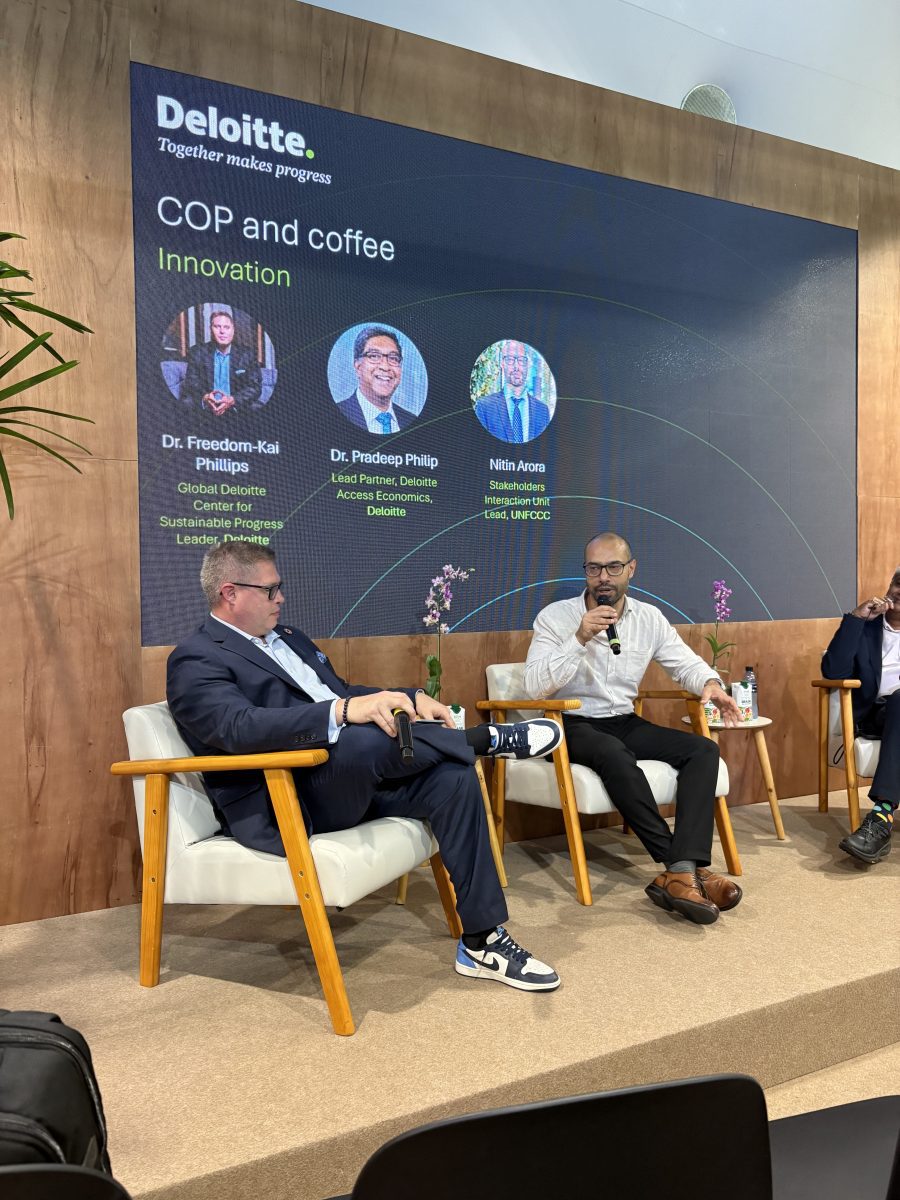
The global business management corporation held a morning discussion led by Dr. Freedom-Kai Philips, leader of the Global Deloitte Center for Sustainable Progress; Dr. Pradeep Philip, lead partner of Deloitte Access Economics; Maria Emilia Peres, Brazil Sustainability Leader; and Victoria Paz, finance lead of the Mangrove Breakthrough Hub. This discussion focused on funding sustainability efforts and effectively allocating finances to satisfy both investors and communities; financing mangrove agroforests was used as a prime example.

The conversation placed significant emphasis on collaborating with the private sector and navigating ways to receive or utilize funding, such as requesting business loans. Dr. Philips emphasized that it is critical to consider the way finance is deployed, what capital is put into, and how to ensure that the asset has “high integrity” in the eyes of insurers. While attending these discussions is essential to furthering my understanding of sustainable development, I find it equally important to engage in the discourse as well, and I held myself to a high standard of involvement as both a scholar and a delegate of UConn.

After the discussion, I reached out to Dr. Philips for follow-up on the measurement of “high integrity” environmental assets. He explained in depth how these resources benefit communities on the grounds of their permanence, additionality, and transparency in reporting.

Not only did this interaction provide valuable insight, but he also resonated with me and the other UConn COP students, and he was kind enough to provide us with a guided tour of the COP30 Blue Zone. I established connections and gained insight on many diverse fields and topics I likely would never have encountered otherwise. Although my Thursday and Friday explorations were unfortunately cut short due to the fire, I still made use of pre-established connections to further my COP experience. Earlier in the week, I had attended the Thailand Pavilion youth-led “Regeneration Generation” panel. Most of the students were from Washington University, and my engagement in their panel allowed me to follow up with an informative and engaging lunch discussion on Thursday.

All of these immersive opportunities and connections fueled my professional and academic growth in ways I never would have anticipated. COP30 provided me with invaluable opportunities, meaningful connections, and a deeper understanding of the global climate landscape—insight that will continue to shape my path as a student and a professional.

Toriana Grooms is a junior majoring in political science and English with a minor in German.

Was COP30 the COP of False Hope? – Madelyn Kelly

My final days at COP were filled with a lot of learning and cultural immersion. On Tuesday, I attended a “COP and Coffee Chat” at the Deloitte pavilion in the Green Zone. After the talk, I introduced myself to Dr. Freedom-Kai Phillips, the Director of the Deloitte Center for Sustainable Progress. I was impressed by his expertise and approached him after this talk to learn more about his professional journey. Dr. Phillips greeted my classmates, and I with immense kindness and openness. He invited us to meet with him in the Blue Zone the following day for a longer discussion on COP.

Deloitte presentation at COP30On Wednesday, we met with Dr. Phillips and were provided with an experience that I will forever appreciate. Dr. Phillips walked us around the Blue Zone Pavilions, introducing us to his colleagues and friends who work at different climate organizations. He gave us a proper lay of the land and made COP feel smaller and manageable. We met leaders working in the Ocean, Digital Innovation, and World Green Economy Pavilions. We got the exclusive opportunity to talk with a secretariat at the United Nations, in the restricted section of the Blue Zone. This experience framed my perspective for the last two days I spent at COP. It reaffirmed the idea that everything is about the connections you have with individuals in and outside of your field. As we parted, Dr. Phillips reminded us that, in 10 years when we are growing professionals in our respective fields, we need to share our experiences like he did.
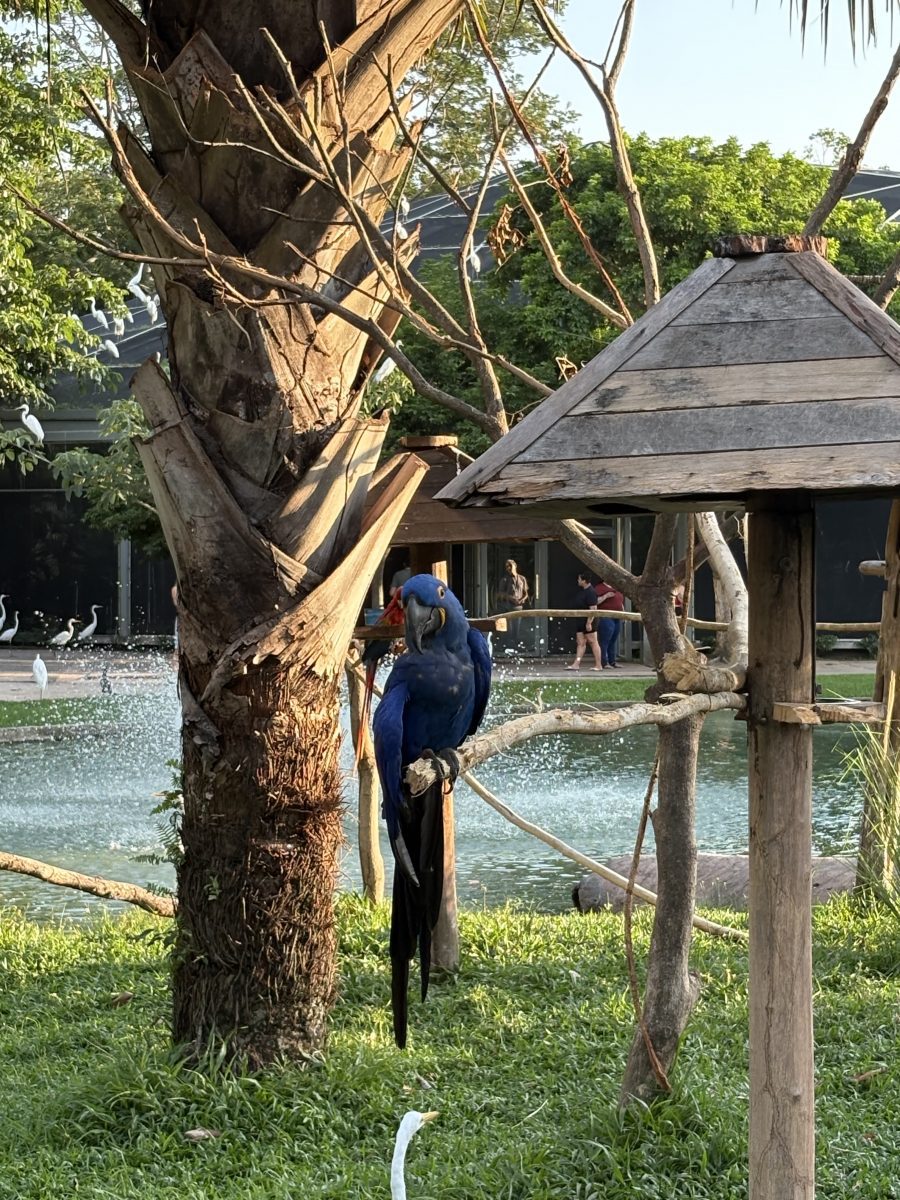
Unfortunately, my time in the Blue Zone was cut short on Thursday due to a Pavilion fire, but my classmates and I embraced the disruption as an opportunity for culture immersion in Belém. We visited the Museum of the Amazons, where I learned about the rich and historical culture of the Amazon Rainforest’s Native tribes. The exhibit emphasized the threat that climate change poses to the livelihood of Indigenous Groups. We also visited the Mangal das Garças, which is a bird sanctuary with free admittance. The predominant bird species there are cranes, who are free to come and go as they please.

Macaw parrot at an outdoor zoo.

Although hearing about all the amazing things that organizations are doing to mitigate and adapt to climate change during my tour with Dr. Phillips and my explorations in Belém filled me with hope; I was still disappointed by some of the outcomes of COP. In the concluding agreement, countries that profit greatly from petroleum production and largely polluting states, removed language that provided a roadmap away from fossil fuels.

It is great to learn about all these organizations doing amazing work, but if the majorly polluting countries do not care and refuse to make concrete actionable plans away from the use of fossil fuels, will the climate crisis ever be solved? If the United States does not re-join the Paris Agreement, will countries that typically follow suit ever support the sustainable energy transition? There are so many questions that I was left with after concluding my time at COP30. Although the final agreements left me questioning the avenues forward, the hope given to me by the local and professional organizations that challenged these dominating countries remained.

Madelyn Kelly is a senior environmental engineering student.

All Lawyers Can Act – Brett Hurley

Overall, COP30 and my time in Brazil served as a transformative experience that will continue to influence my life in the years to come. Since my first blog post, the last three days of COP have been extremely unique opportunities to learn from people around the world.

On Wednesday, I started the day by attending a talk titled “No Green without Blue,” which focused on how the connection between the Oceans and the Amazon Forest influences climate change. From this talk, I was able to learn from experts in the field from Brazil’s government and universities about how a healthy ocean is necessary to preserve both marine and land ecosystems. After this talk, I was able to meet up with some of my COP fellows to take a guided tour through the Blue Zone by a member of a delegation they had met the previous day. This was one of my most rewarding experiences at COP, as I was brought to pavilions that I had not yet visited and learned more about their goals and perspectives on the climate crisis. From this tour, I learned more about how technology is being used to address the climate crisis and more about the growing focus from the COP process on protecting our oceans. I finished on Wednesday by attending a talk put on by the UK Government addressing scalable investment for sustainable agriculture. At this talk, I heard from the UK Government’s Minister for Nature, Mary Creagh, about the nation’s partnership with Brazil in the RAIZ initiative, aimed at restoring degraded agricultural lands around the world.

Andy Zhang and Brett HurleyOn Thursday, I was able to attend a talk that I had been looking forward to attending all week, put on by the International Bar Association that addressed how lawyers and law firms can advance climate mitigation and adaptation through pro bono work and beyond. While it is no secret that there are lawyers out there fighting for the environment, I find it extremely important that all lawyers, no matter what their practice, are conscious of the effects their work has on our natural world. I found this talk so interesting because it stressed the importance of that idea, and the speakers provided actionable steps to help achieve those goals. For instance, the speakers emphasized providing non-governmental organizations and civil society groups that protect vulnerable groups and mitigate climate change with free or reduced-cost legal services. I will surely take back what I learned from this talk and apply it to my future career as an attorney.

Lastly, on Friday, we decided to explore the city of Belém more. We visited the Mangal das Garças Ecological Park and the Museu das Amazônias. At the Museu das Amazônias, we were able to see the work of the late Sebastião Salgado, a renowned Brazilian photographer, whose work showcased life and nature throughout the Amazon region. At the Mangal das Garças, we were able to see local wildlife and the sunset on our last night in Brazil. My time at COP and in Brazil was extremely well spent, and I cannot wait to follow the negotiations at the next COP in Turkey and visit Brazil again.

Brett Hurley is a second year law student.