UConn@COP is a competitive fellowship program that sends students to the international climate-focused United Nations Conference of the Parties (COP). The event brings together students, diplomats, government officials, activists, leaders, and delegates to discuss climate change. Students have the opportunity to engage and attend sessions that discuss ongoing negotiations in the global environmental sphere.
Twelve UConn students were selected to attend COP31 this November in Antalya, Turkey. The Office of Sustainability received approximately 60 applications for the fellowship, all of which were exceptional. The UConn@COP Selection Committee, consisting of faculty, staff, and past UConn COP fellows reviewed each application, and collaboratively decided who would be accepted into this year’s cohort. Betsy Mortensen, Experiential Learning Programs Manager for the Office of Sustainability, and member of the COP Selection Committee shared her thoughts on this year’s applicants, “As always, the selection committee was super impressed by the students who applied, and by the diversity of the majors that were represented. Climate change affects all sectors so we’re glad that we can bring students from diverse fields to COP31.” The COP Fellowship is grateful to have engaged with so many driven students.
Students will attend COP 31 from November 13th to November 21st, 2026. They will bring back the experience of a lifetime and educate their peers about their learnings both while they are at the conference as well as back on campus. One of the fellows, Judith Otunnu ‘27 (CLAS) shared, “I hope to strengthen my understanding of how environmental justice issues manifest on a global scale and learn from diverse perspectives that will inform my work as an environmental scientist after graduation.”
The following students will be attending this year’s conference:
- Samantha Glass, Ph.D. Candidate in Oceanography
- Megan Romansky, M.S. Candidate in Applied and Resource Economics
- Faryal Akbar ’27 (CLAS)
- Brenny Alcantara ’27 (CLAS)
- Amelia Chien ’28 (CAHNR)
- Ryan Engels ’27 (CLAS, SPP)
- Agatha Freitas ’28 (CLAS)
- Paige Gregory ’28 (CLAS)
- Amber Hwang ’27 (CLAS)
- Judith Otunnu ’27 (CLAS)
- Kinga Sigmond ’29 (CLAS)
- Suhitha Sreedhar ’27 (BUS)
Check out our Fellows page to learn more about each student.
Thanks to generous donations, students are able to attend the trip with nearly all expenses paid by the UConn@COP program. Special thank you to the UConn School of Business for supporting the travel costs of Suhitha Sreedhar and Ryan Engels this year.
Meet the fellows and learn about their experience at the conference at the Climate Change Cafe on December 2nd, 2026 at the Student Union, Room 304 from 4-6 PM. Refreshments will be provided.
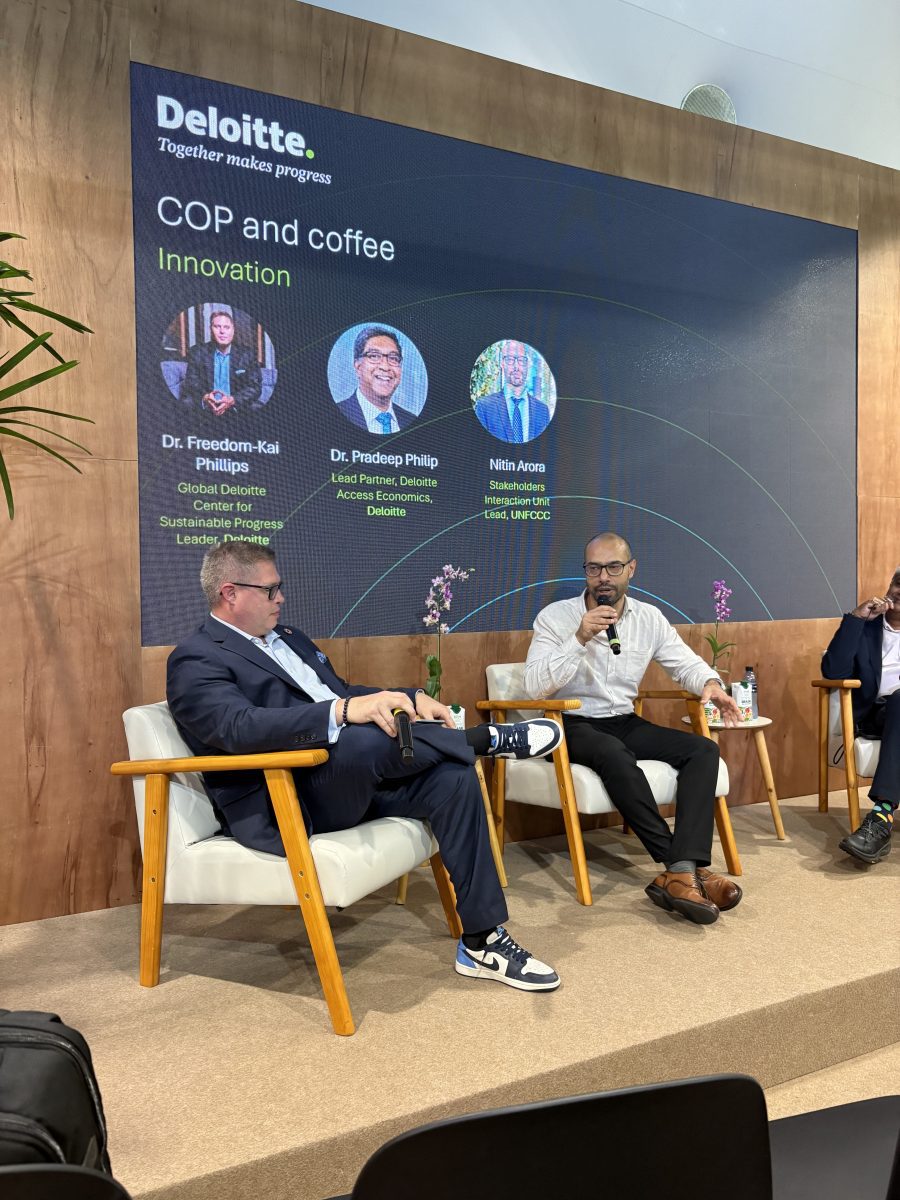 On Wednesday, we met with Dr. Phillips and were provided with an experience that I will forever appreciate. Dr. Phillips walked us around the Blue Zone Pavilions, introducing us to his colleagues and friends who work at different climate organizations. He gave us a proper lay of the land and made COP feel smaller and manageable. We met leaders working in the Ocean, Digital Innovation, and World Green Economy Pavilions. We got the exclusive opportunity to talk with a secretariat at the United Nations, in the restricted section of the Blue Zone. This experience framed my perspective for the last two days I spent at COP. It reaffirmed the idea that everything is about the connections you have with individuals in and outside of your field. As we parted, Dr. Phillips reminded us that, in 10 years when we are growing professionals in our respective fields, we need to share our experiences like he did.
 On Thursday, I was able to attend a talk that I had been looking forward to attending all week, put on by the International Bar Association that addressed how lawyers and law firms can advance climate mitigation and adaptation through pro bono work and beyond. While it is no secret that there are lawyers out there fighting for the environment, I find it extremely important that all lawyers, no matter what their practice, are conscious of the effects their work has on our natural world. I found this talk so interesting because it stressed the importance of that idea, and the speakers provided actionable steps to help achieve those goals. For instance, the speakers emphasized providing non-governmental organizations and civil society groups that protect vulnerable groups and mitigate climate change with free or reduced-cost legal services. I will surely take back what I learned from this talk and apply it to my future career as an attorney.
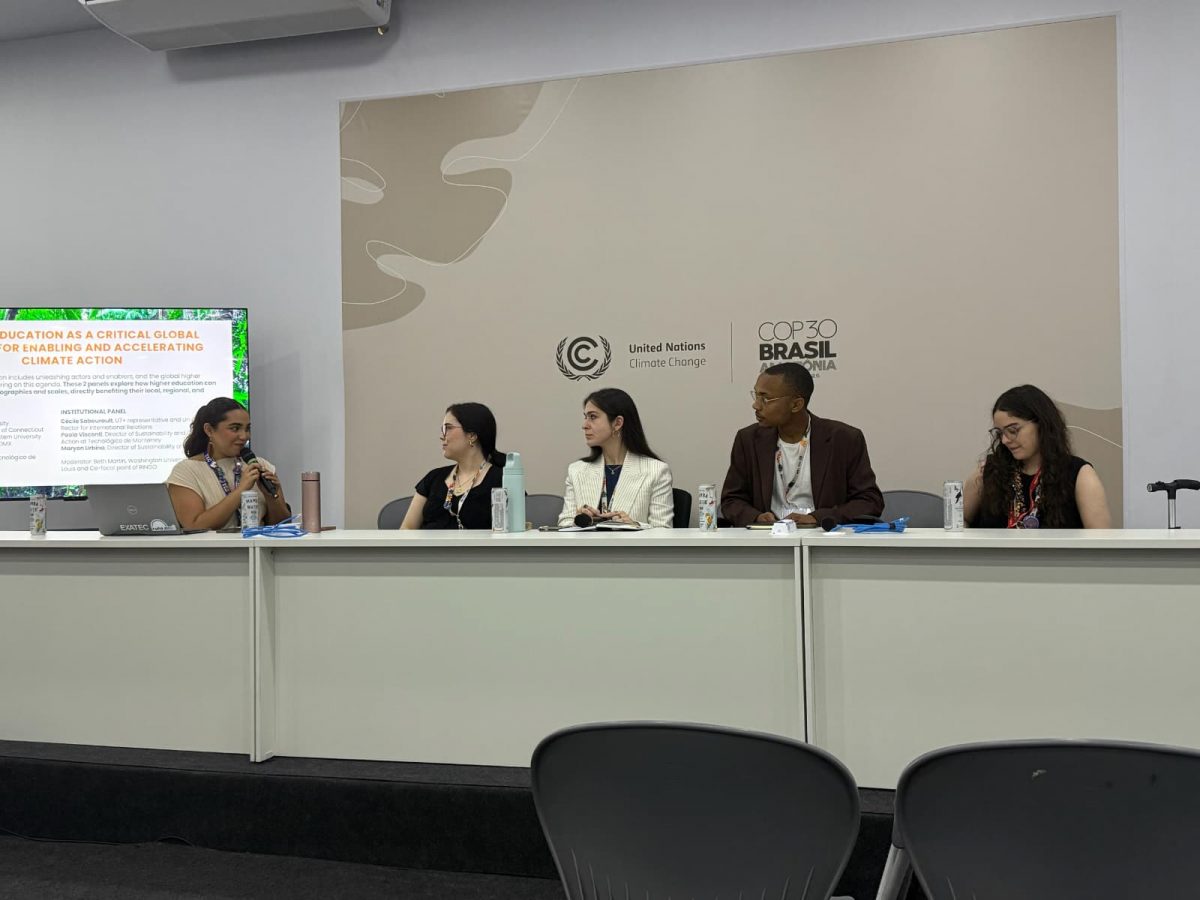 Afterwards, I had the honor to participate in the Higher Education as a Critical Global Partner for Enabling and Accelerating Climate Action panel alongside Valeria Soto (Tecnológico de Monterrey), Phoenix Boggs (Yale University), Javiera Cabezas Parra (Northwestern University), and Fernanda Muraira (Universidad Iberoamericana, Ciudad de México). We exchanged insights on unique ways youth have felt both empowered and faced barriers when getting involved in climate action. It was incredible to witness the administrators and delegates in the room break down their plans to combat those barriers.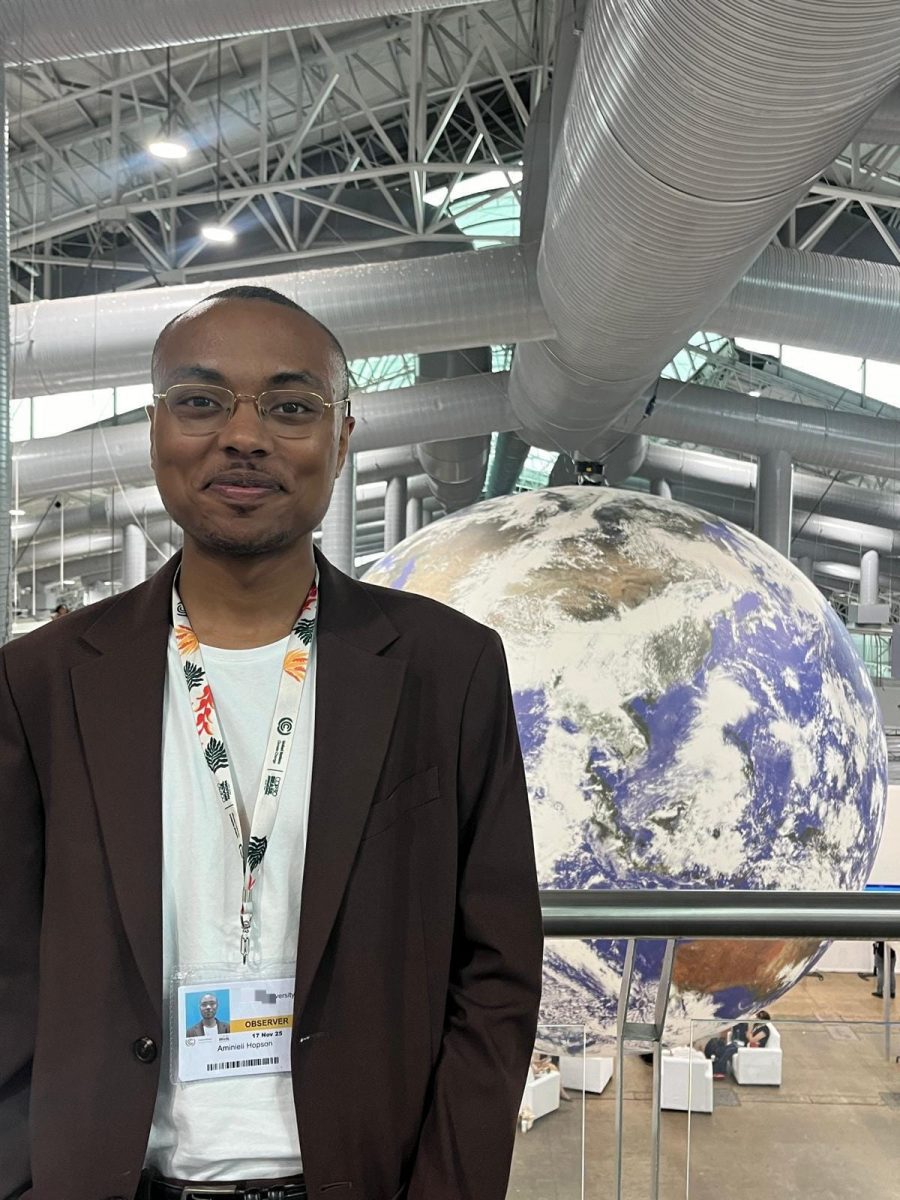
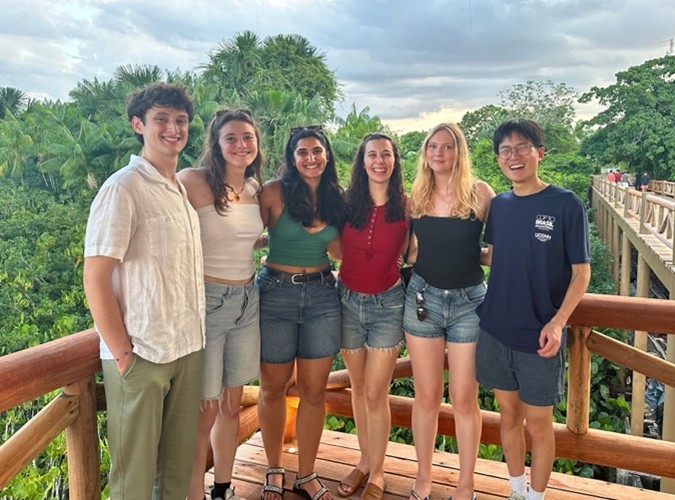 As I reflect on COP30, I keep coming back to one central idea: climate work is about people. When I say people, I do not mean it in the Bill Gates way. I mean people in the human sense. People with stories, cultures, memories, and lived experiences that shape how they move through the world. People whose lives are touched by climate change long before it ever becomes a headline or a negotiating point. People who carry knowledge that does not come from textbooks but from daily life, from land, from history, from relationships. These are the people whose experiences define climate reality, far beyond the technocratic lens that tries to manage suffering instead of transforming the systems that create it. One of the most meaningful parts of COP30 was realizing how my own lived experiences shape the way I see the world and the way I understand this crisis. The values I grew up with, the communities I have been part of, and the moments in my life when I felt both supported and unheard all influenced how I responded to what I saw in Belém. In many ways, COP30 made me more aware of how personal climate work is. It touches everything from where we come from to what we care about to how we show up for each other.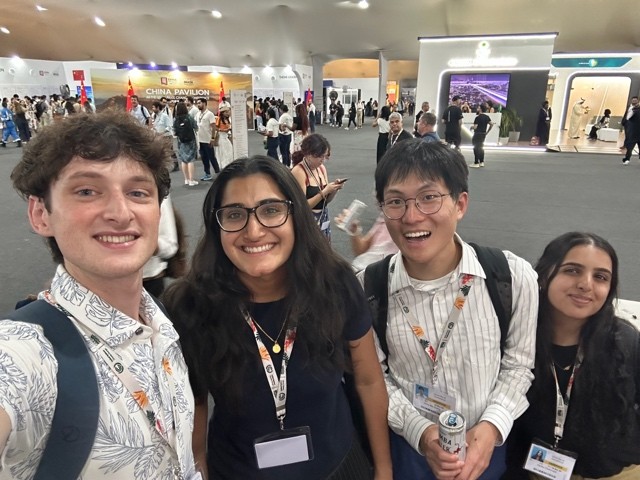
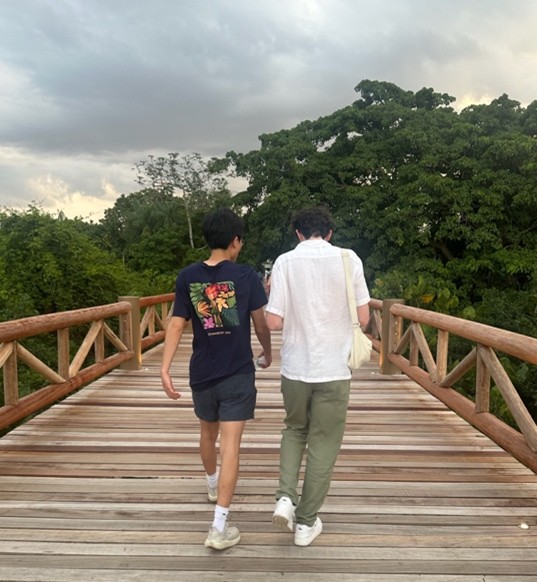 Our cohort played a huge role in shaping that understanding. We came from different places and were drawn to different aspects of climate work. Some of us focused on justice, others on technology, international systems, or environmental health. We had different academic backgrounds, cultural perspectives, and personal motivations. What made the experience powerful was the way we all brought our full selves to it and I learned how climate change intersects with identity in ways I had not fully appreciated before. COP30 also taught me that lived experience is not something separate from climate work. It is part of what shapes climate justice, resilience, and policy. People who live through storms, displacement, heat, or pollution carry knowledge that cannot be found in reports or negotiation texts. People whose lives intersect with social, economic, and cultural challenges understand the complexity of transition in ways that academic theory alone cannot capture. Any meaningful path forward has to center those voices and bridge the gap between policy and lived reality. Looking ahead, I want to build spaces where people feel heard and supported. I want to work in ways that respect different perspectives and value the power of community. I want to make room for lived experience in every climate conversation I am part of, whether big or small. COP30 reinforced that climate action is not only a global responsibility, but also a human one, shaped by the connections we make and the communities we build. That is the lesson I am taking with me, and the one I hope to honor moving forward.
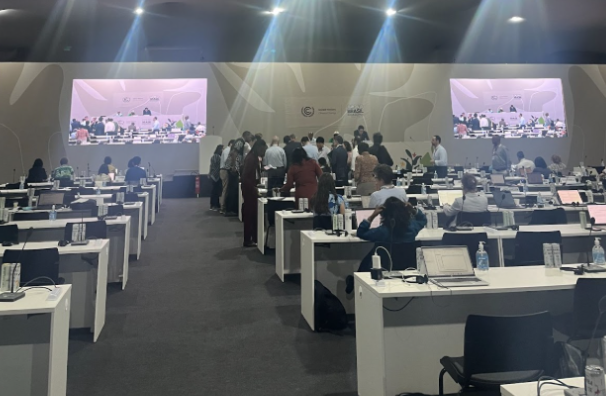 In the news, we often hear about the negotiations, which countries are willing or unwilling to compromise, and what transpired the previous day. What we rarely consider is the sheer number of individuals involved behind the scenes—from those engaging directly in diplomacy, to the people handling logistics, to the reporters and bloggers who communicate the events in Belém to the rest of the world. Two experiences in particular helped me humanize this entire process.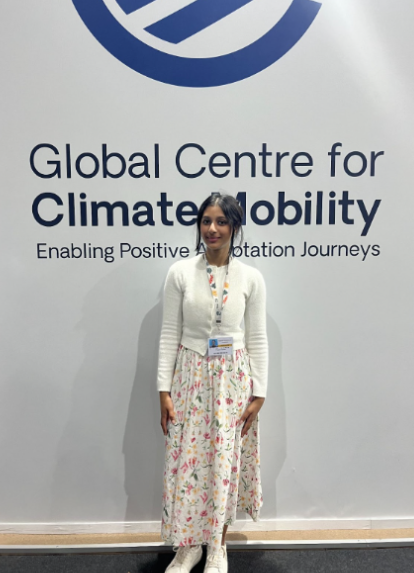
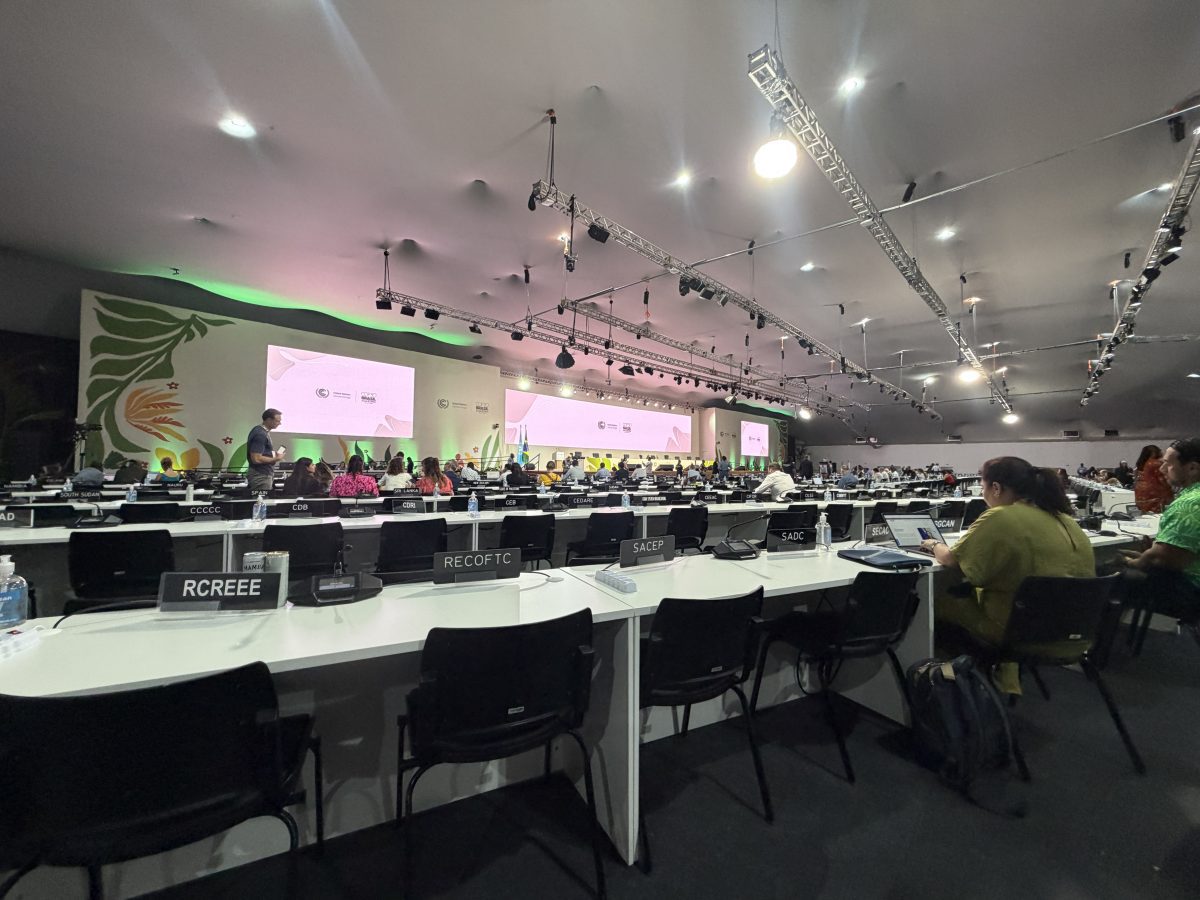
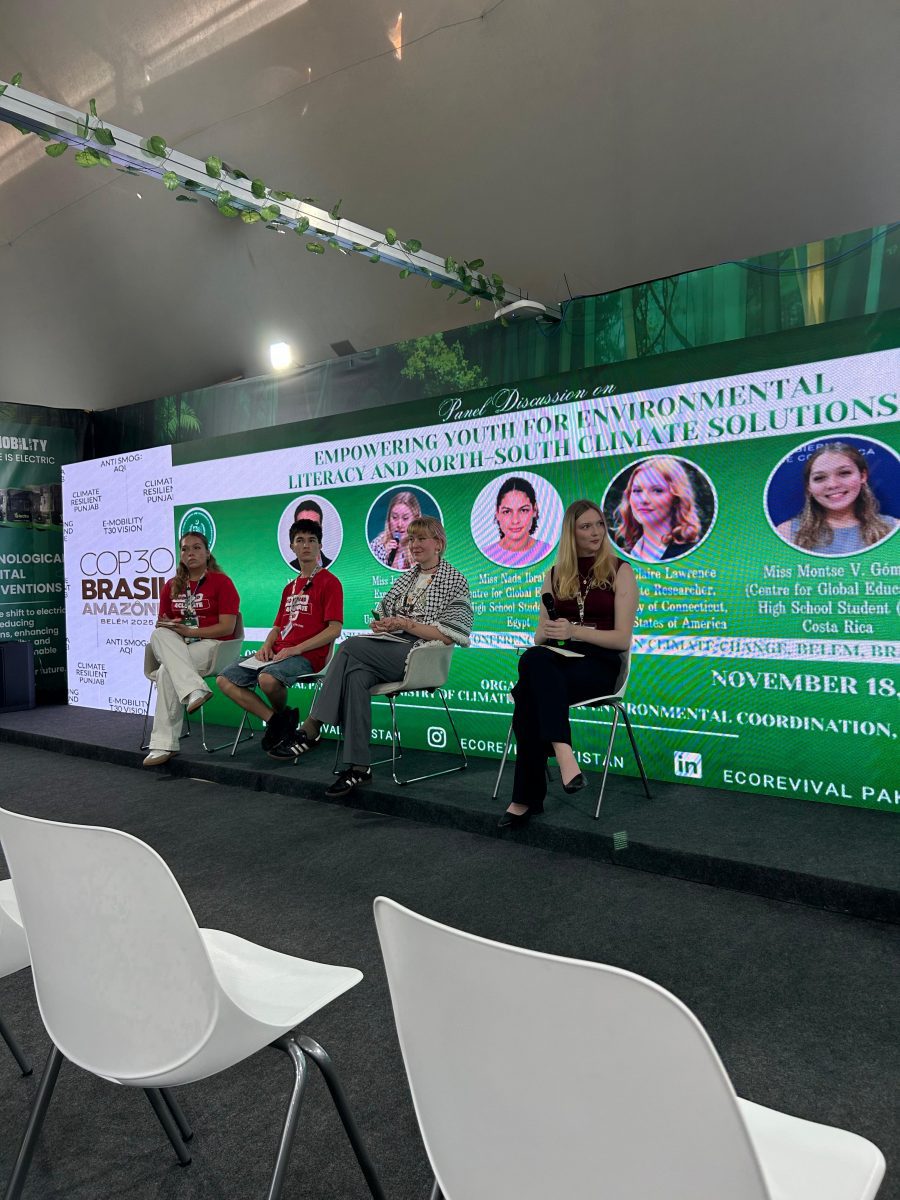 Pakistan contributes less than 1% to global greenhouse gas emissions. Tuvalu even less. Yet it is developing nations who suffer the most. Hearing the stories from across the globe, and even from indigenous people from our own country, was one of the most impactful experiences from the conference.