The second half of COP30 flew by with a literal smoky haze of hope and action in the air.
Walking in on Thursday morning was surreal, as tensions were high and the environment around us clearly called for concrete climate action. I began the day with a discussion on how to maneuver access to climate finance. What surprised me was the use of creativity in their solutions– artists in the Northern Brazil region using their gifts to decode where the impacts of regional crises (agriculture, and land rights) could be supported by innovation hubs with marketing techniques that connect Green Financing Lenders from Banks to credible small-medium enterprises who didn’t initially have the toolkit to access funds without falling into severe debt.
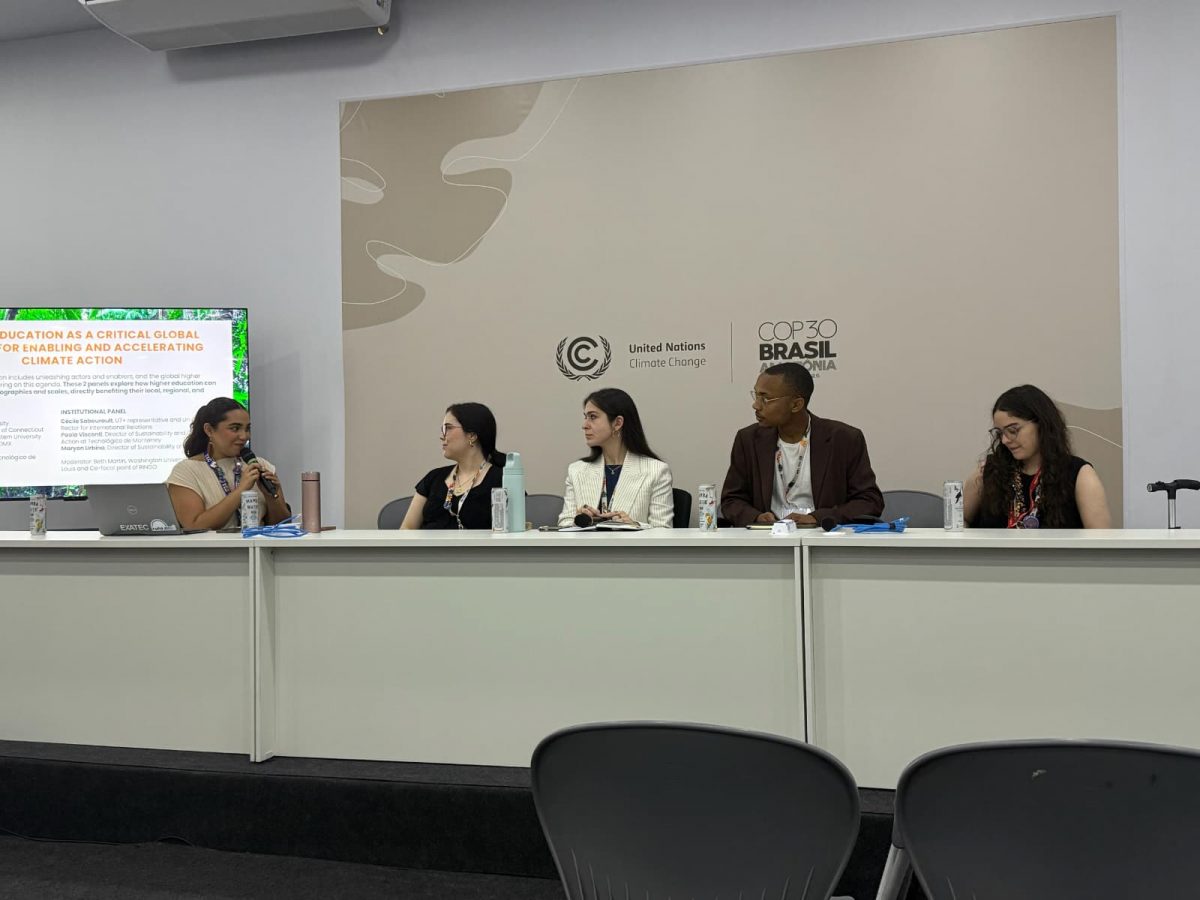 Afterwards, I had the honor to participate in the Higher Education as a Critical Global Partner for Enabling and Accelerating Climate Action panel alongside Valeria Soto (Tecnológico de Monterrey), Phoenix Boggs (Yale University), Javiera Cabezas Parra (Northwestern University), and Fernanda Muraira (Universidad Iberoamericana, Ciudad de México). We exchanged insights on unique ways youth have felt both empowered and faced barriers when getting involved in climate action. It was incredible to witness the administrators and delegates in the room break down their plans to combat those barriers.
Many concerns arose that institutional frameworks for adaptation are in the works but do not provide the institutional mechanisms for knowledge transfer to younger, future climate leaders; let alone the pre-existing disparities within marginalized groups across the Global North and South. The Commonwealth Youth Climate Change Network (CYCN) put together a statement calling for 1) Institutionalized youth participation in climate governance, 2) Scaled-up climate education and capacity building, 3) Sustainable finance and support for youth-led initiatives, and 4) Stronger pathways for youth inclusion in climate negotiations. I believe these are incredible steps, as so many young people, from the rivers of South America to the farms in the United States’ Midwest, possess the energy and creativity to innovate solutions in their local communities. They simply need institutional platforms, resources, or technical terminology to advance those solutions.
Around lunchtime, we gathered at a table with fellow university students from St. Louis, San Diego, Boston, and Storrs, Connecticut. Exchanging perspectives about how our communities fit into the context of the Climate Crisis. We learned about unique strategies to continue engaging and upskilling civil society members who are curious about climate action but don’t know how their specialties can contribute. Simultaneously, to our left and right, there was an outpour of delegates balancing the long queues for the Amazonia-inspired cuisine and doubling down on their nation’s target agenda items. Locally sourced fish and fresh-cut fries bore witness to the thunderous pounding of shift, right-click, and backspace buttons on keyboards that unlock promises of a better tomorrow. Every table spoke a different language, and yet the message was the same. The anticipation was harmonious and, just as I internalized these surroundings, a man in a yellow shirt walked up to our table and said, “Fogo.” Bug-eyed we sat, as this word was not in the travel booklet. We cautiously followed a herd of what looked like thousands of environmental change agents to safety as a section of the Pavilions in the Blue Zone caught on fire. Thankfully, no one was hurt, though all 1000+ of us were reminded of the importance of building climate-resilient infrastructure in our buildings and in our homes. We witnessed the environmental manifestation of urgency for implementation.
While policies are crafted, we must enable the technical education and communication of these systems to advance equitable and healthy conditions for our communities.
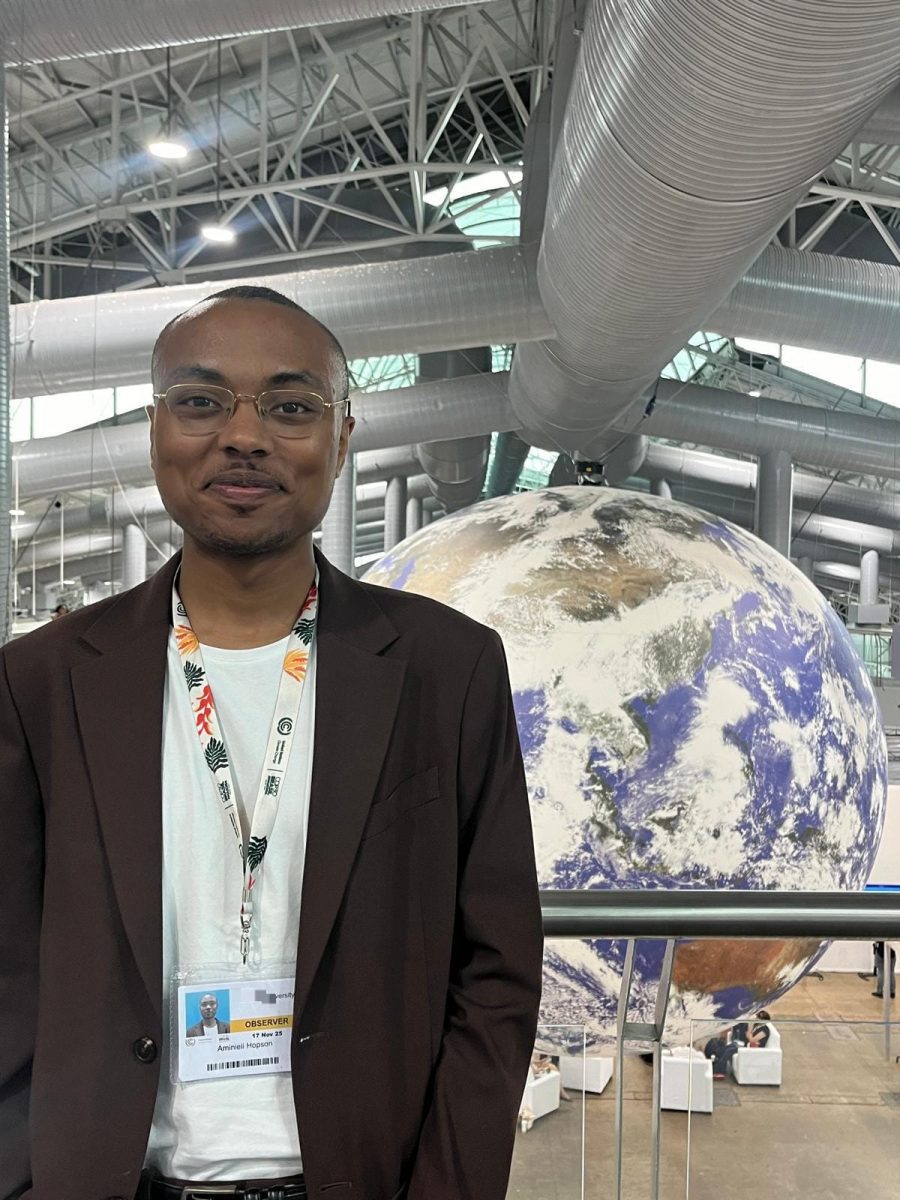
The next day, we were allowed to visit the Green Zone, where I reunited with a Swedish delegate who shared how interdisciplinary his work has been. By his side was another from South Korea who was excited to see students participating. They both agreed that, while this work can be intense, it pays off to uplift voices and continue learning with each assignment. From the perspective of being a student in Real Estate, this means remaining nimble enough to learn about risk & regulation from the perspective of people and planet. Knowing where to invest so that not only communities but also agricultural ecosystems and land can see beneficial returns, avoiding the degradation that leads to unstable construction sites, food deserts, and potential increases in housing disparities.
COP30 may not have delivered on all its promises, but it certainly had the spirit to empower this generation’s solution-makers with the right dots to connect. The first step is converting the work from pen to action.
Aminieli Hopson is a senior studying Real Estate and Urban Economics.
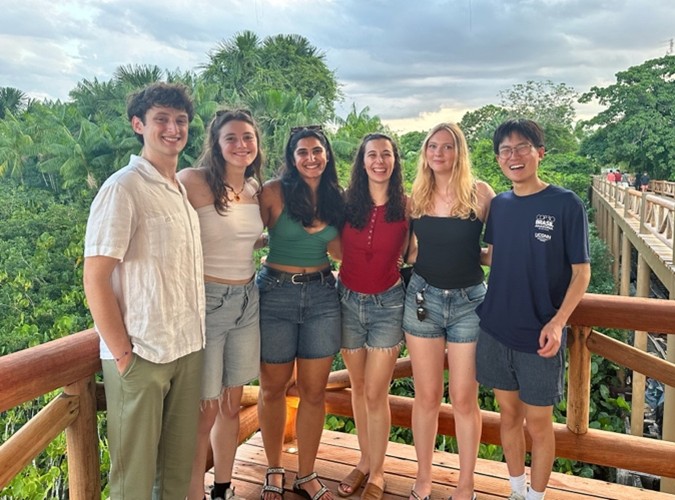 As I reflect on COP30, I keep coming back to one central idea: climate work is about people. When I say people, I do not mean it in the Bill Gates way. I mean people in the human sense. People with stories, cultures, memories, and lived experiences that shape how they move through the world. People whose lives are touched by climate change long before it ever becomes a headline or a negotiating point. People who carry knowledge that does not come from textbooks but from daily life, from land, from history, from relationships. These are the people whose experiences define climate reality, far beyond the technocratic lens that tries to manage suffering instead of transforming the systems that create it. One of the most meaningful parts of COP30 was realizing how my own lived experiences shape the way I see the world and the way I understand this crisis. The values I grew up with, the communities I have been part of, and the moments in my life when I felt both supported and unheard all influenced how I responded to what I saw in Belém. In many ways, COP30 made me more aware of how personal climate work is. It touches everything from where we come from to what we care about to how we show up for each other.
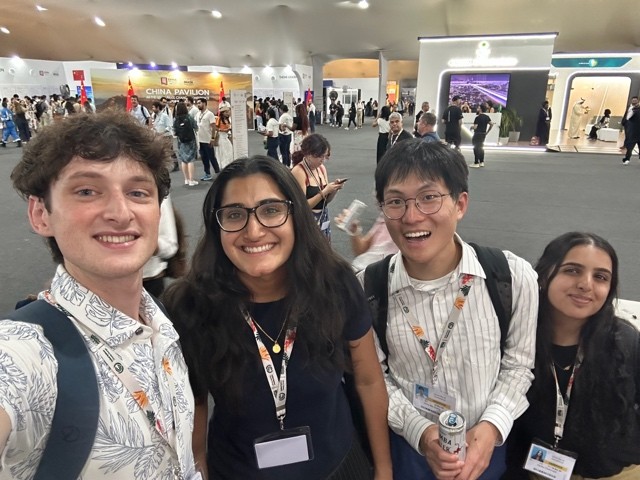
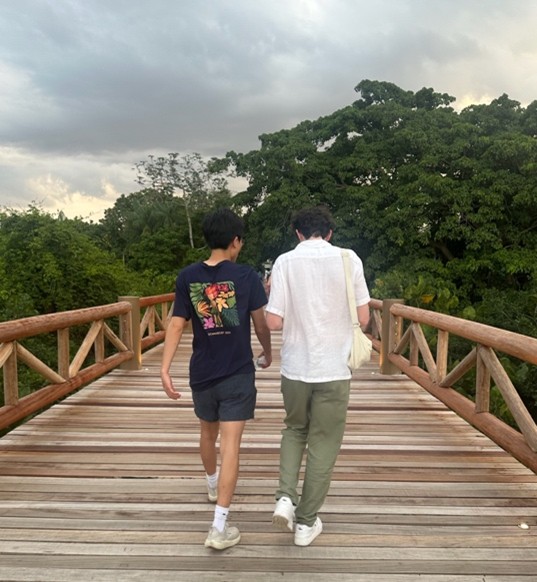 Our cohort played a huge role in shaping that understanding. We came from different places and were drawn to different aspects of climate work. Some of us focused on justice, others on technology, international systems, or environmental health. We had different academic backgrounds, cultural perspectives, and personal motivations. What made the experience powerful was the way we all brought our full selves to it and I learned how climate change intersects with identity in ways I had not fully appreciated before. COP30 also taught me that lived experience is not something separate from climate work. It is part of what shapes climate justice, resilience, and policy. People who live through storms, displacement, heat, or pollution carry knowledge that cannot be found in reports or negotiation texts. People whose lives intersect with social, economic, and cultural challenges understand the complexity of transition in ways that academic theory alone cannot capture. Any meaningful path forward has to center those voices and bridge the gap between policy and lived reality. Looking ahead, I want to build spaces where people feel heard and supported. I want to work in ways that respect different perspectives and value the power of community. I want to make room for lived experience in every climate conversation I am part of, whether big or small. COP30 reinforced that climate action is not only a global responsibility, but also a human one, shaped by the connections we make and the communities we build. That is the lesson I am taking with me, and the one I hope to honor moving forward.
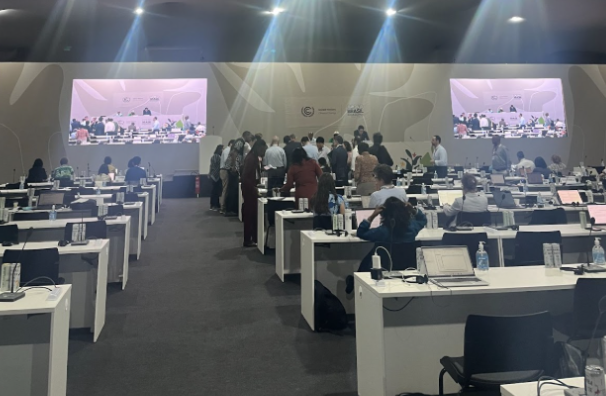 In the news, we often hear about the negotiations, which countries are willing or unwilling to compromise, and what transpired the previous day. What we rarely consider is the sheer number of individuals involved behind the scenes—from those engaging directly in diplomacy, to the people handling logistics, to the reporters and bloggers who communicate the events in Belém to the rest of the world. Two experiences in particular helped me humanize this entire process.
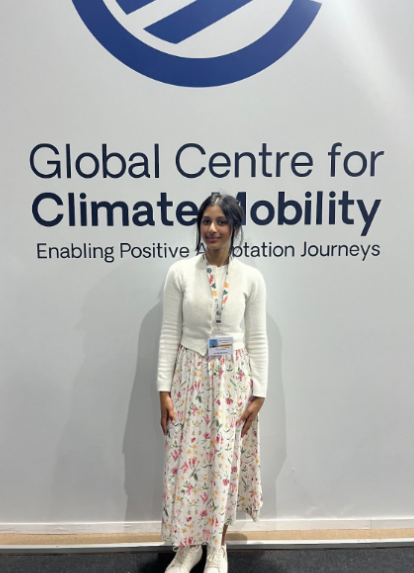
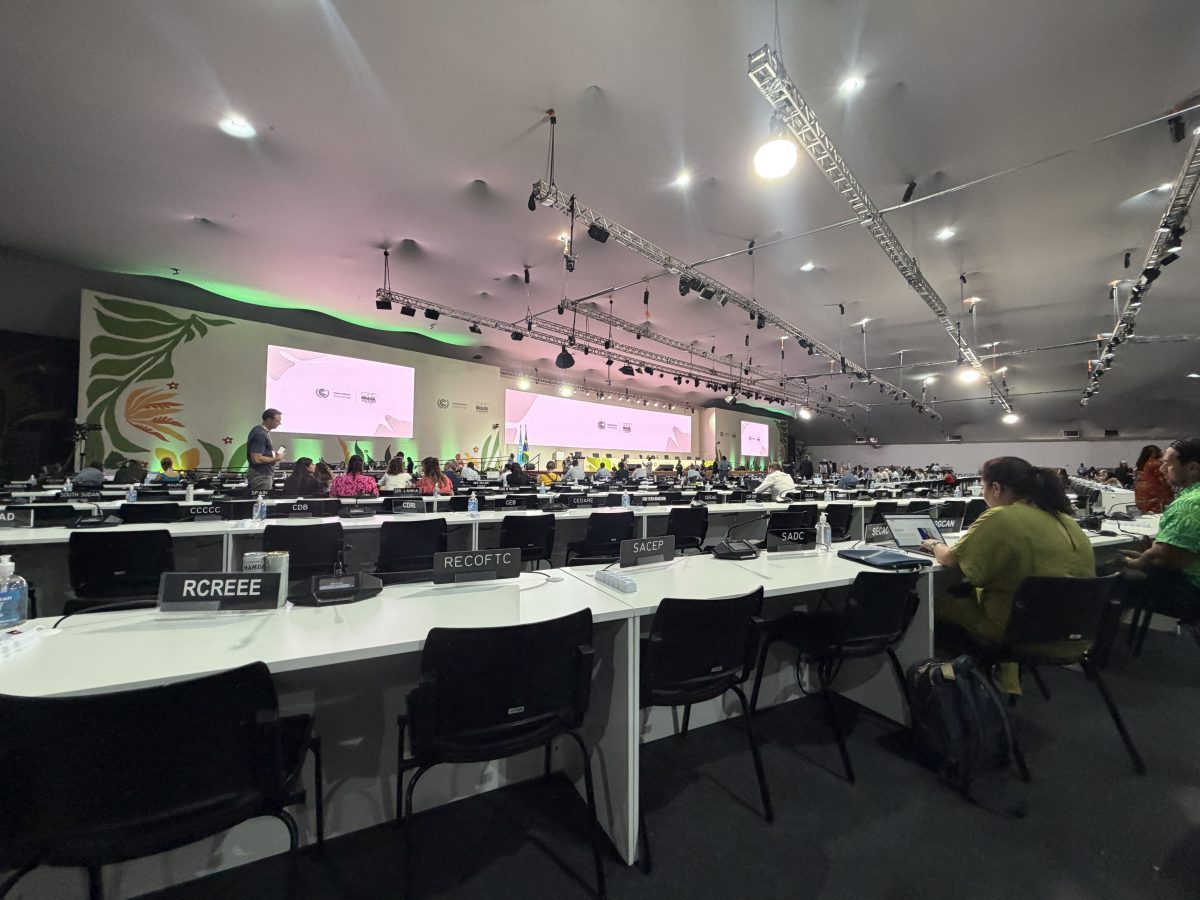
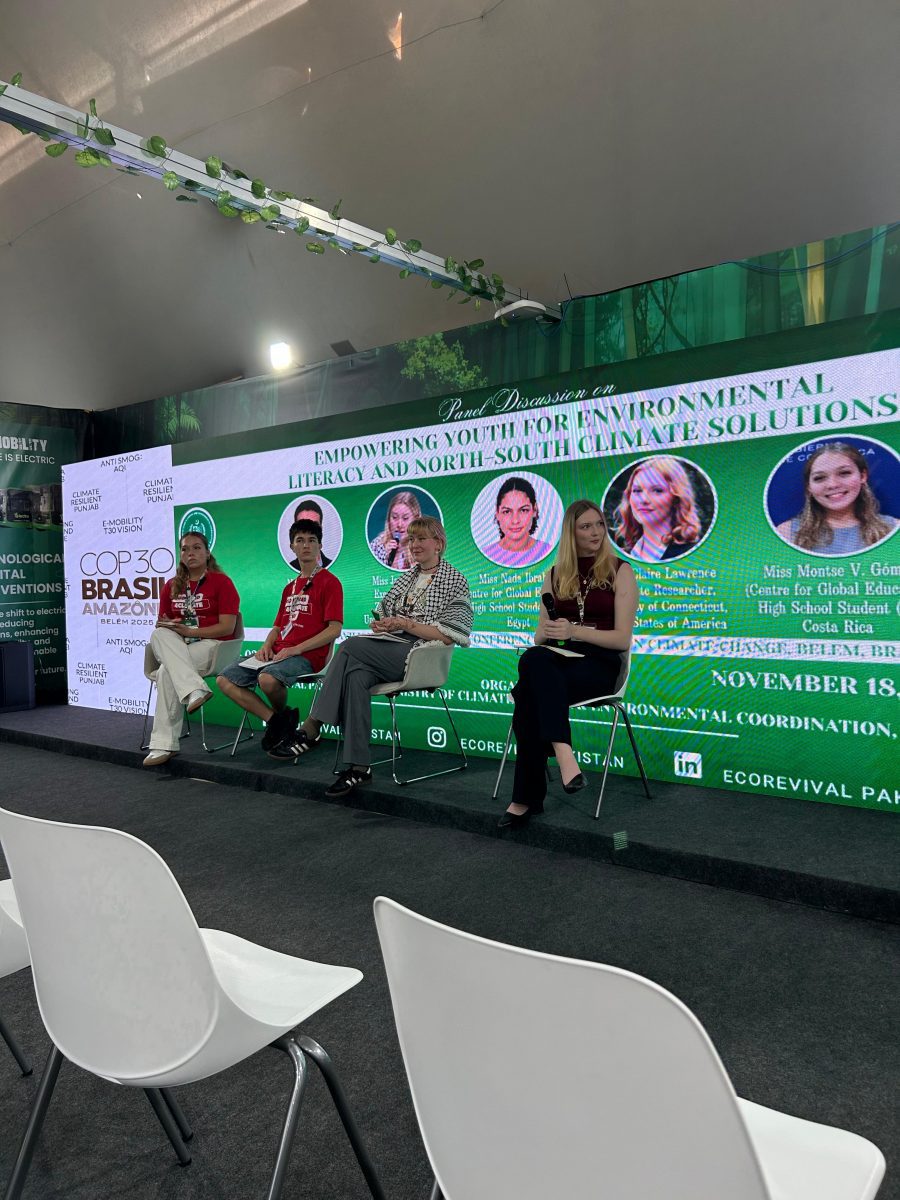 Pakistan contributes less than 1% to global greenhouse gas emissions. Tuvalu even less. Yet it is developing nations who suffer the most. Hearing the stories from across the globe, and even from indigenous people from our own country, was one of the most impactful experiences from the conference.
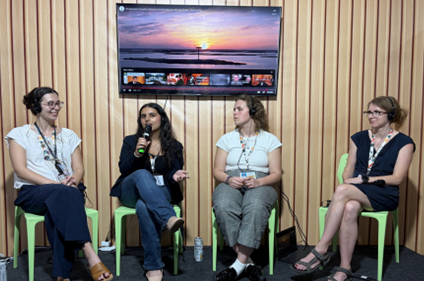
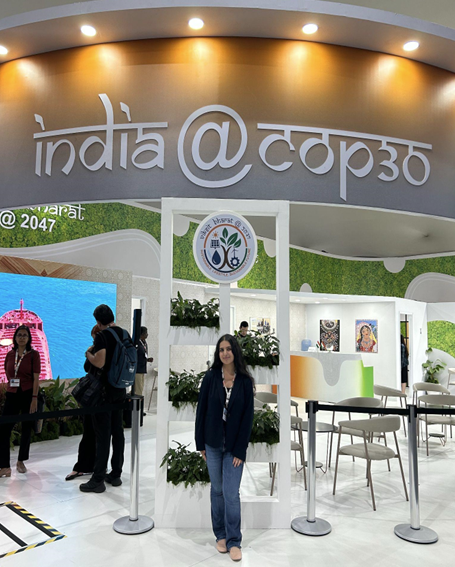
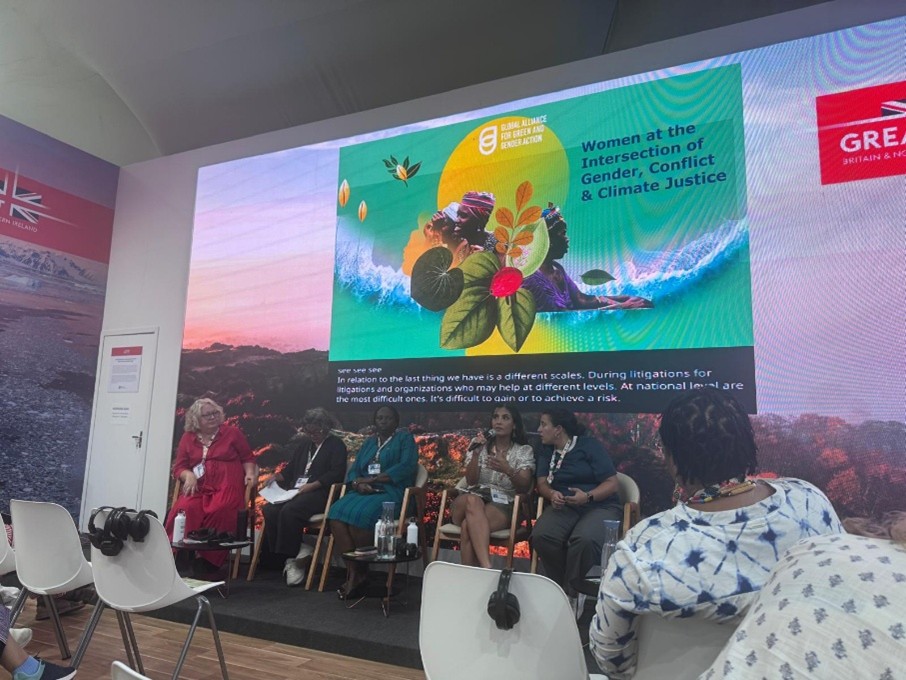
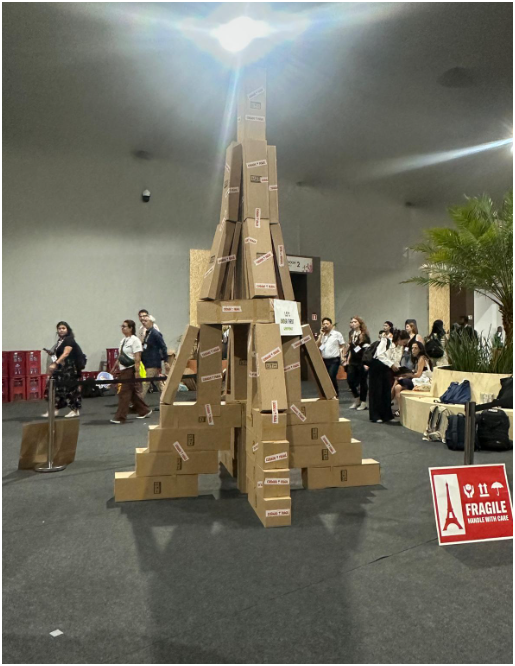 Overall, based on the key lessons I learned from COP 30, I am very excited to apply them to my personal and professional life. One of the ways I am going to apply these lessons is in the remainder of my education. As an engineering major, it can be very easy to get stuck in a technical mindset and not focus on other perspectives when implementing solutions. Based on what I learned from COP 30, I hope to change that by bringing a more holistic mindset to my professional career—looking at solutions not just from a technical standpoint, but also considering policy, community impact, and finances. Another way I am going to apply what I learned about critical language is in my future efforts to make a positive contribution to climate action. I will be more careful and intentional with the language I use and how I present my knowledge to others. Overall, COP 30 opened a variety of doors and perspectives for me that I look forward to applying in both my personal and professional life.
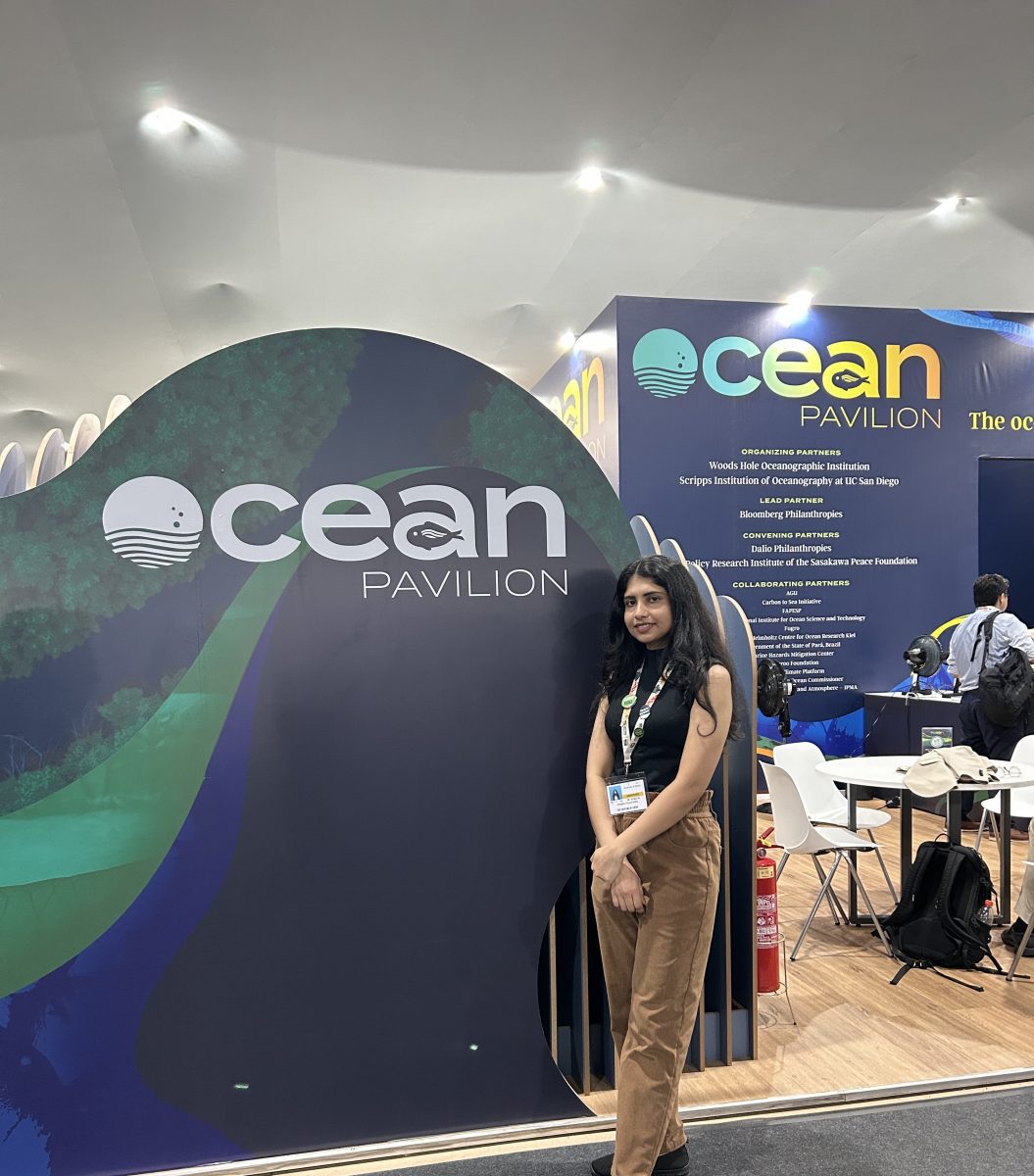 For the first time, there was a full Ocean Pavilion, not a tiny booth hidden in a corner, but a central, vibrant space filled with conversations that finally recognized the ocean as a climate powerhouse. I sat in panels where local communities, policymakers, and scientists spoke side by side, and I felt something shift. I hope the ocean is no longer an afterthought.
 The theme of this year’s COP is implementation, turning ambition into tangible realities. It is both a necessity for addressing the climate crisis and a possible personal philosophy that I believe all students should incorporate, especially if they have a potential solution for a better future. The reason COP needs to choose this topic is that we are seeing a slowdown (and often a regression) in the significant progress made during the Paris Agreement of 2015. The Tropical Forests Forever Fund (TFFF) is one of many ambitious financial mechanisms that aim to compensate countries for restoration and conservation efforts. There are a plethora of factors, including land ownership, land use, historical conditioning, and more, that can create complex variables in the conversation. How do you ask 83+ countries to agree on a joint solution? It is a question that is continually revisited. Not to mention incorporating the perspectives of indigenous communities who have harmoniously lived amongst the many vulnerable lands that would benefit from these conservation efforts, but aren’t often represented in policy-making.