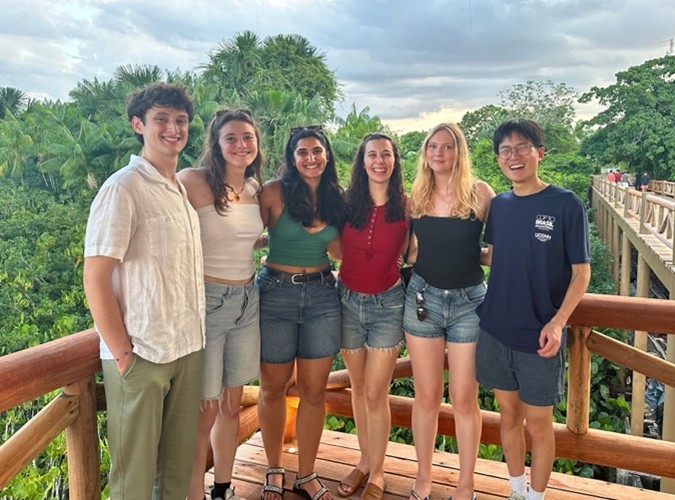
 As I reflect on COP30, I keep coming back to one central idea: climate work is about people. When I say people, I do not mean it in the Bill Gates way. I mean people in the human sense. People with stories, cultures, memories, and lived experiences that shape how they move through the world. People whose lives are touched by climate change long before it ever becomes a headline or a negotiating point. People who carry knowledge that does not come from textbooks but from daily life, from land, from history, from relationships. These are the people whose experiences define climate reality, far beyond the technocratic lens that tries to manage suffering instead of transforming the systems that create it. One of the most meaningful parts of COP30 was realizing how my own lived experiences shape the way I see the world and the way I understand this crisis. The values I grew up with, the communities I have been part of, and the moments in my life when I felt both supported and unheard all influenced how I responded to what I saw in Belém. In many ways, COP30 made me more aware of how personal climate work is. It touches everything from where we come from to what we care about to how we show up for each other.
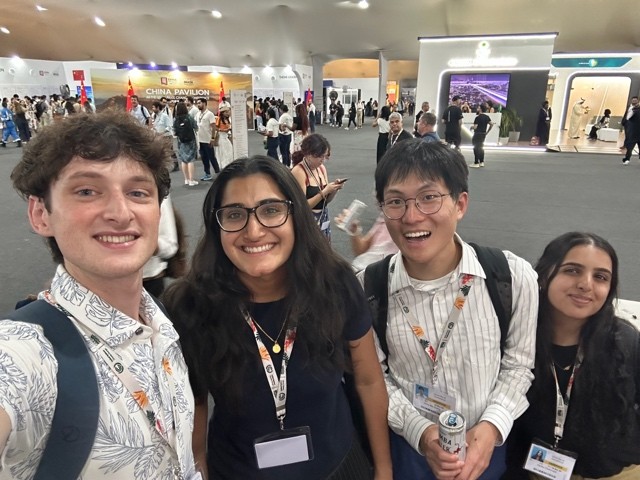
 Our cohort played a huge role in shaping that understanding. We came from different places and were drawn to different aspects of climate work. Some of us focused on justice, others on technology, international systems, or environmental health. We had different academic backgrounds, cultural perspectives, and personal motivations. What made the experience powerful was the way we all brought our full selves to it and I learned how climate change intersects with identity in ways I had not fully appreciated before. COP30 also taught me that lived experience is not something separate from climate work. It is part of what shapes climate justice, resilience, and policy. People who live through storms, displacement, heat, or pollution carry knowledge that cannot be found in reports or negotiation texts. People whose lives intersect with social, economic, and cultural challenges understand the complexity of transition in ways that academic theory alone cannot capture. Any meaningful path forward has to center those voices and bridge the gap between policy and lived reality. Looking ahead, I want to build spaces where people feel heard and supported. I want to work in ways that respect different perspectives and value the power of community. I want to make room for lived experience in every climate conversation I am part of, whether big or small. COP30 reinforced that climate action is not only a global responsibility, but also a human one, shaped by the connections we make and the communities we build. That is the lesson I am taking with me, and the one I hope to honor moving forward.
Andy Zhang is a senior studying environmental economics and environmental sciences.
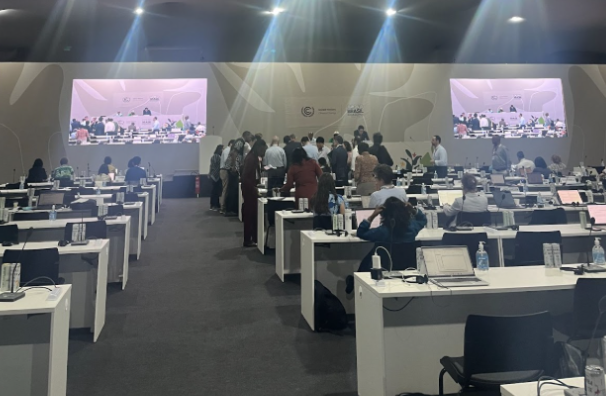 In the news, we often hear about the negotiations, which countries are willing or unwilling to compromise, and what transpired the previous day. What we rarely consider is the sheer number of individuals involved behind the scenes—from those engaging directly in diplomacy, to the people handling logistics, to the reporters and bloggers who communicate the events in Belém to the rest of the world. Two experiences in particular helped me humanize this entire process.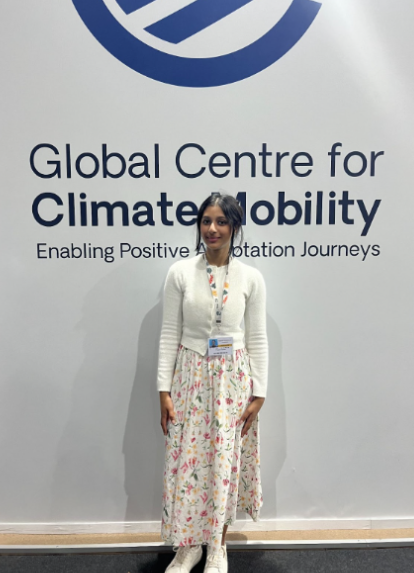
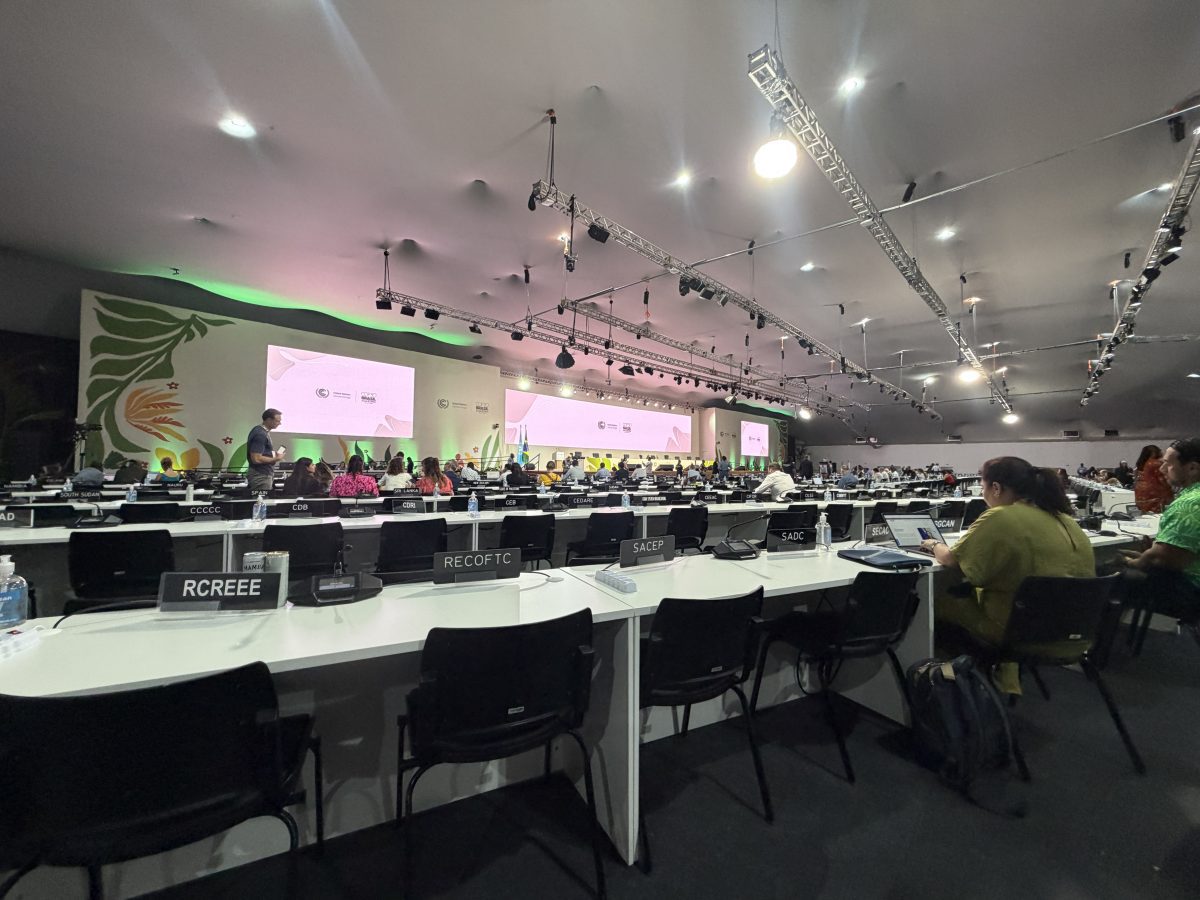
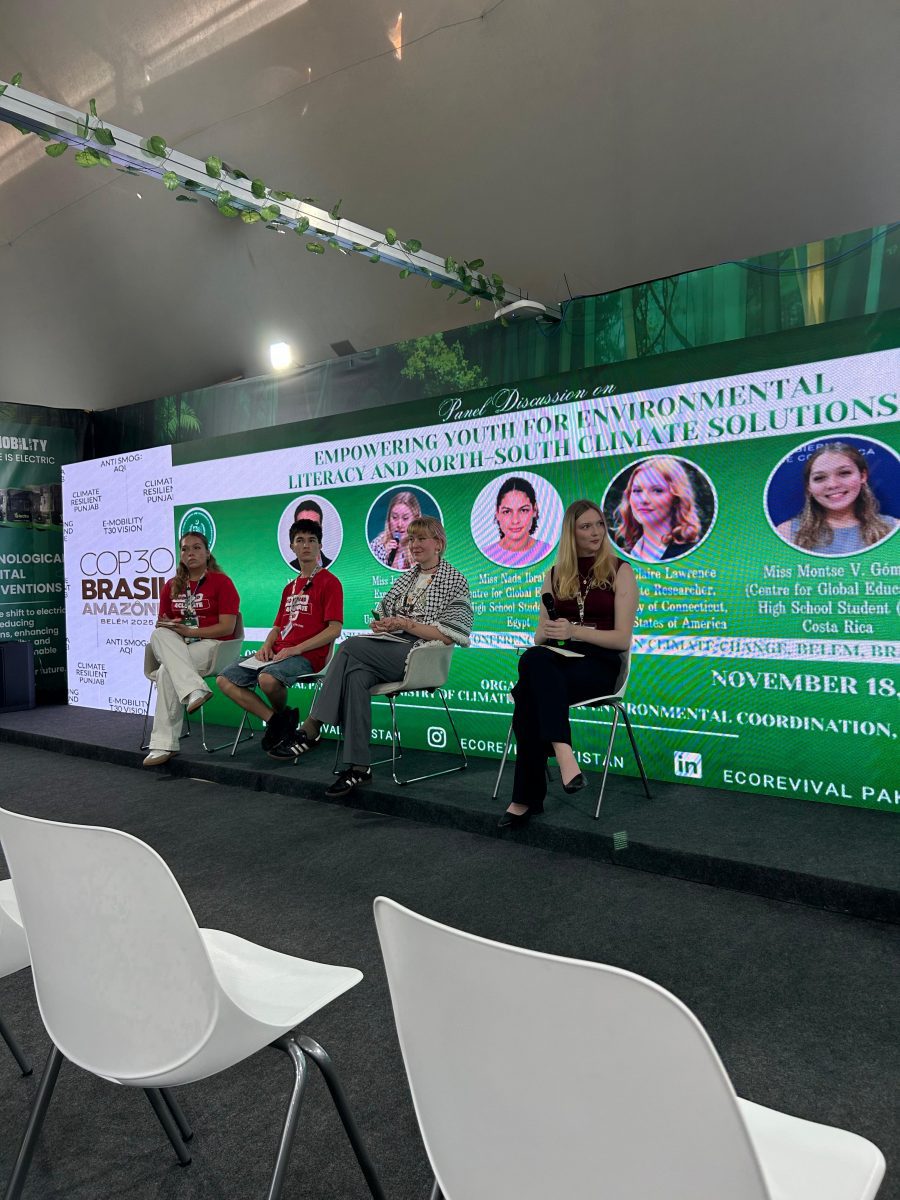 Pakistan contributes less than 1% to global greenhouse gas emissions. Tuvalu even less. Yet it is developing nations who suffer the most. Hearing the stories from across the globe, and even from indigenous people from our own country, was one of the most impactful experiences from the conference.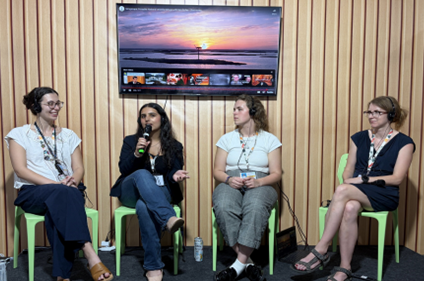
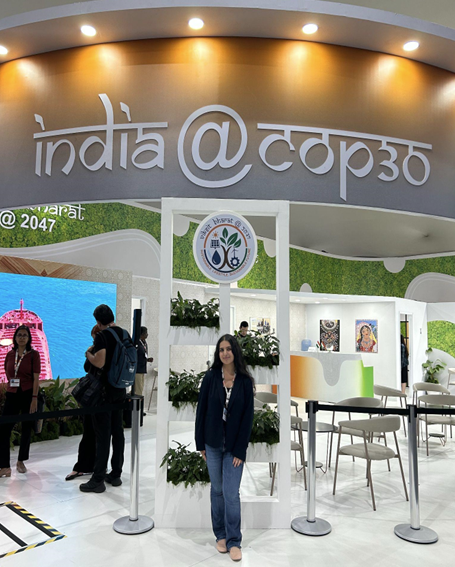
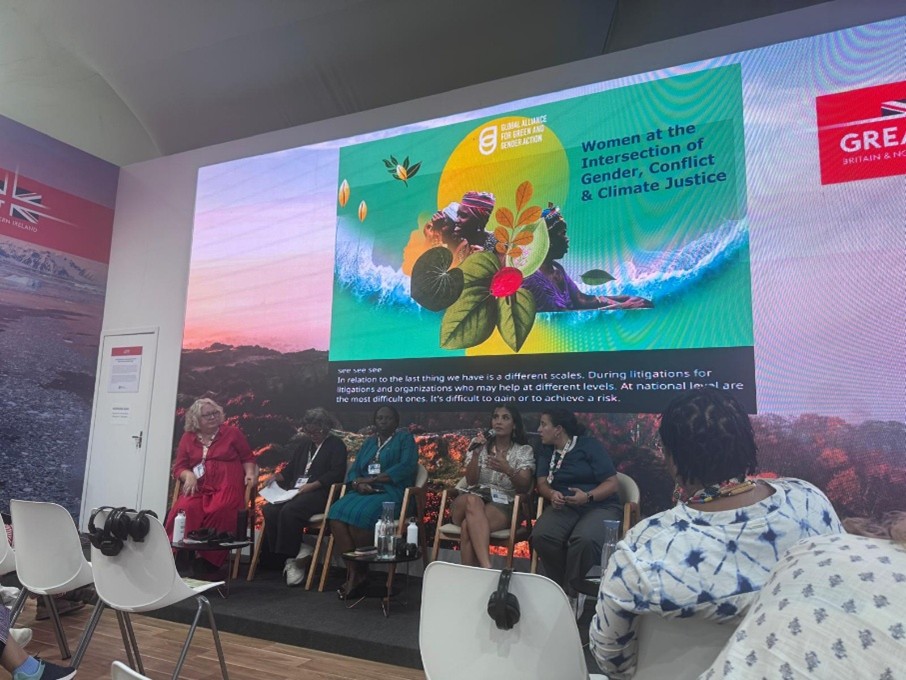
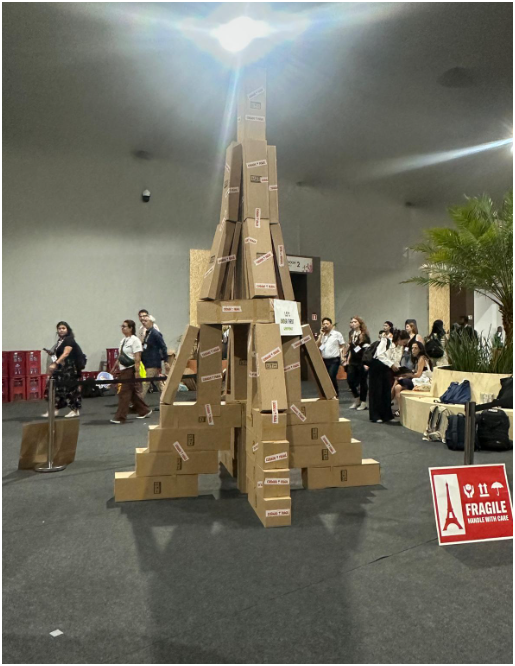 Overall, based on the key lessons I learned from COP 30, I am very excited to apply them to my personal and professional life. One of the ways I am going to apply these lessons is in the remainder of my education. As an engineering major, it can be very easy to get stuck in a technical mindset and not focus on other perspectives when implementing solutions. Based on what I learned from COP 30, I hope to change that by bringing a more holistic mindset to my professional career—looking at solutions not just from a technical standpoint, but also considering policy, community impact, and finances. Another way I am going to apply what I learned about critical language is in my future efforts to make a positive contribution to climate action. I will be more careful and intentional with the language I use and how I present my knowledge to others. Overall, COP 30 opened a variety of doors and perspectives for me that I look forward to applying in both my personal and professional life.
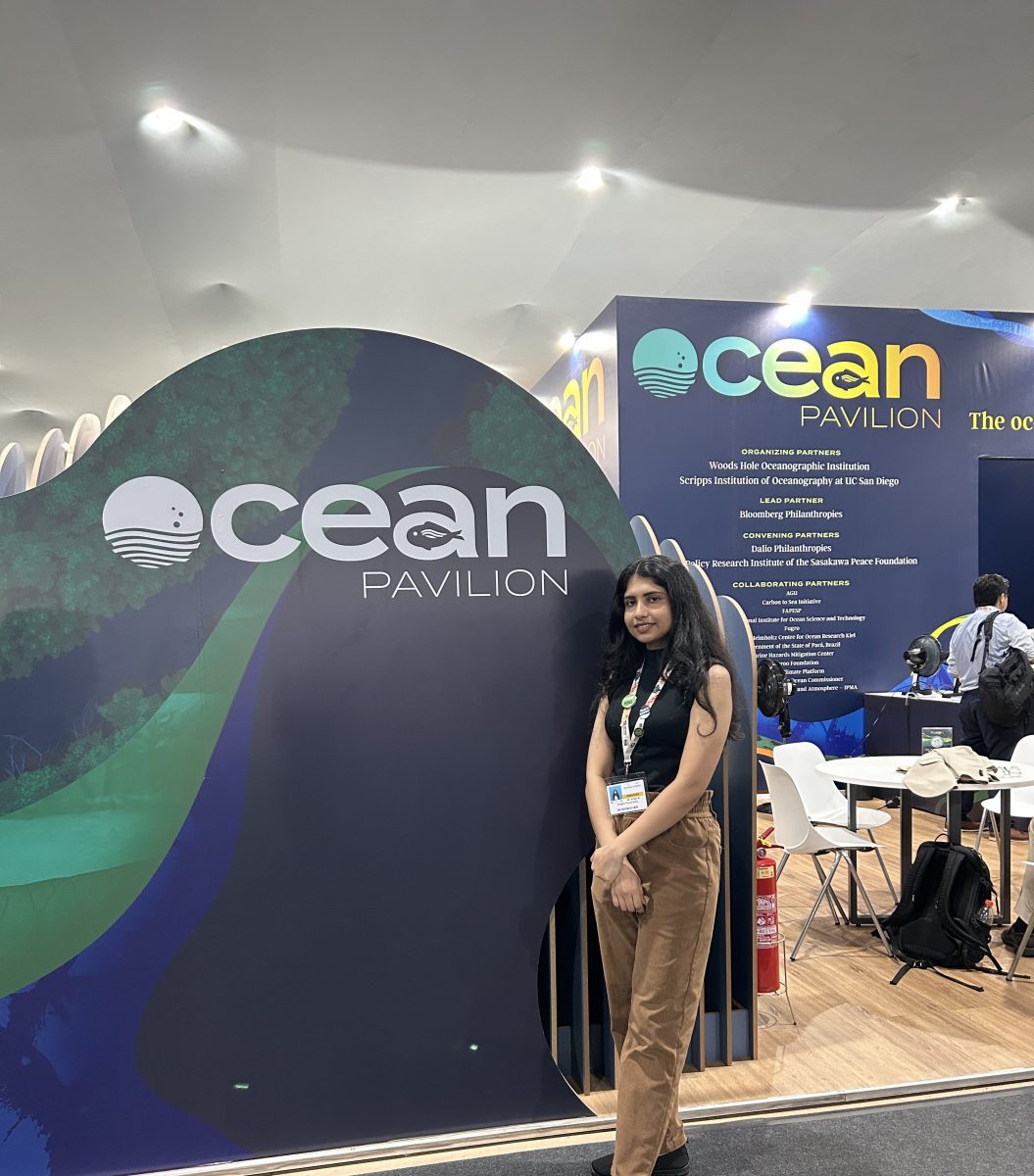 For the first time, there was a full Ocean Pavilion, not a tiny booth hidden in a corner, but a central, vibrant space filled with conversations that finally recognized the ocean as a climate powerhouse. I sat in panels where local communities, policymakers, and scientists spoke side by side, and I felt something shift. I hope the ocean is no longer an afterthought.
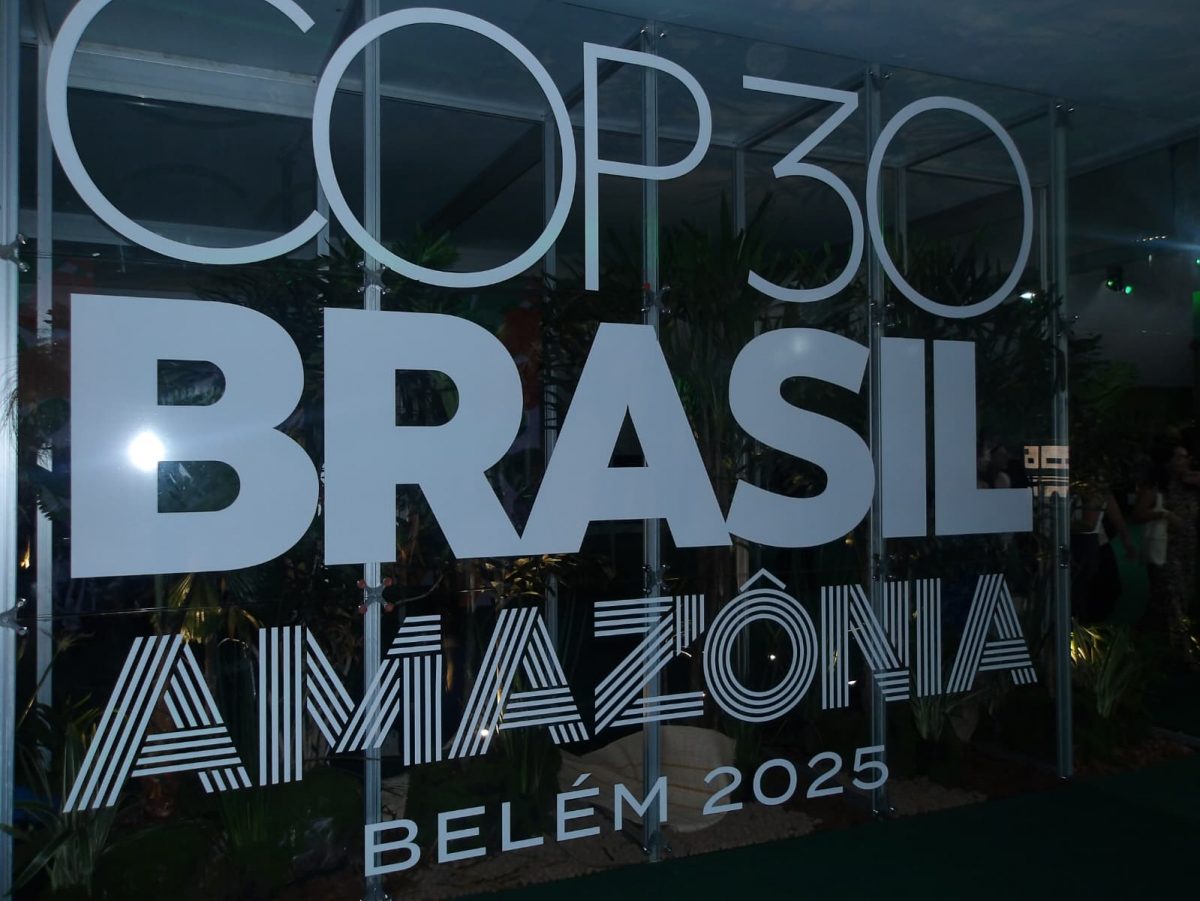 The theme of this year’s COP is implementation, turning ambition into tangible realities. It is both a necessity for addressing the climate crisis and a possible personal philosophy that I believe all students should incorporate, especially if they have a potential solution for a better future. The reason COP needs to choose this topic is that we are seeing a slowdown (and often a regression) in the significant progress made during the Paris Agreement of 2015. The Tropical Forests Forever Fund (TFFF) is one of many ambitious financial mechanisms that aim to compensate countries for restoration and conservation efforts. There are a plethora of factors, including land ownership, land use, historical conditioning, and more, that can create complex variables in the conversation. How do you ask 83+ countries to agree on a joint solution? It is a question that is continually revisited. Not to mention incorporating the perspectives of indigenous communities who have harmoniously lived amongst the many vulnerable lands that would benefit from these conservation efforts, but aren’t often represented in policy-making.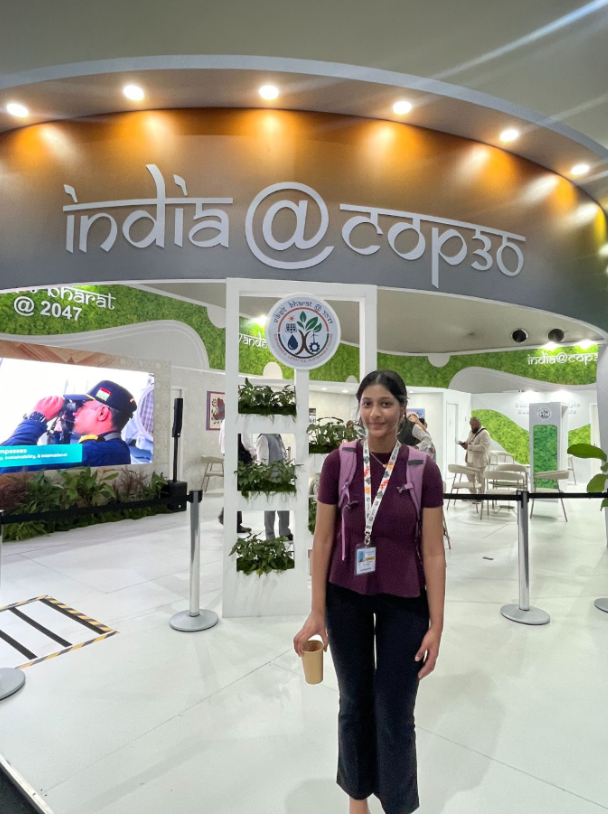
 Understanding how federal and multilateral institutions (such as the U.S. Department of the Treasury, Securities and Exchange Commission, Federal Reserve, World Bank, and International Monetary Fund) function and how to coordinate across them is an important yet often overlooked skill.