A group of UConn faculty members gathered this past Earth Day, along with OEP sustainability staff, for the second annual meeting of the Green Campus Academic Network (GCAN). The OEP, in coordination with UConn’s Office of Public Engagement and Center for Environmental Sciences and Engineering (CESE), established the Network in 2015 to increase faculty engagement in community-based and campus sustainability-related activities, which, in turn, promote a greener UConn.
 After introductions and opening remarks by the co-sponsors, faculty exchanged information about how they fit into the GCAN mission. Conversations continued just outside the CESE conference room, at a casual reception with special guest, Dr. James Porter from the University of Georgia, who had been UConn’s expert motivational speaker on the topic of environmental literacy at multiple events during Earth Week.
Up to this point, GCAN’s focus has been on identifying faculty members teaching or researching environmental topics who are either relatively new to UConn (~ six years or less) or who have more recently begun incorporating sustainability into their curriculum. Most of UConn’s more senior environmental faculty members, often department heads and directors of academic centers, are already actively engaged “champions and change agents” for a green campus – they’ve been a big part of UConn’s consistent Top Ten position in the Sierra Club and GreenMetric campus sustainability rankings for the past four years. By reaching out to include the newer faculty members, we hope to nurture the continuing growth of sustainability-related courses, academic projects and even on-campus demonstrations of green technologies and research. This past academic year, there were more UConn students enrolled in Environmental Science and Environmental Studies majors than ever before, and more inter-disciplinary courses in all majors that featured a sustainability-related module or project.
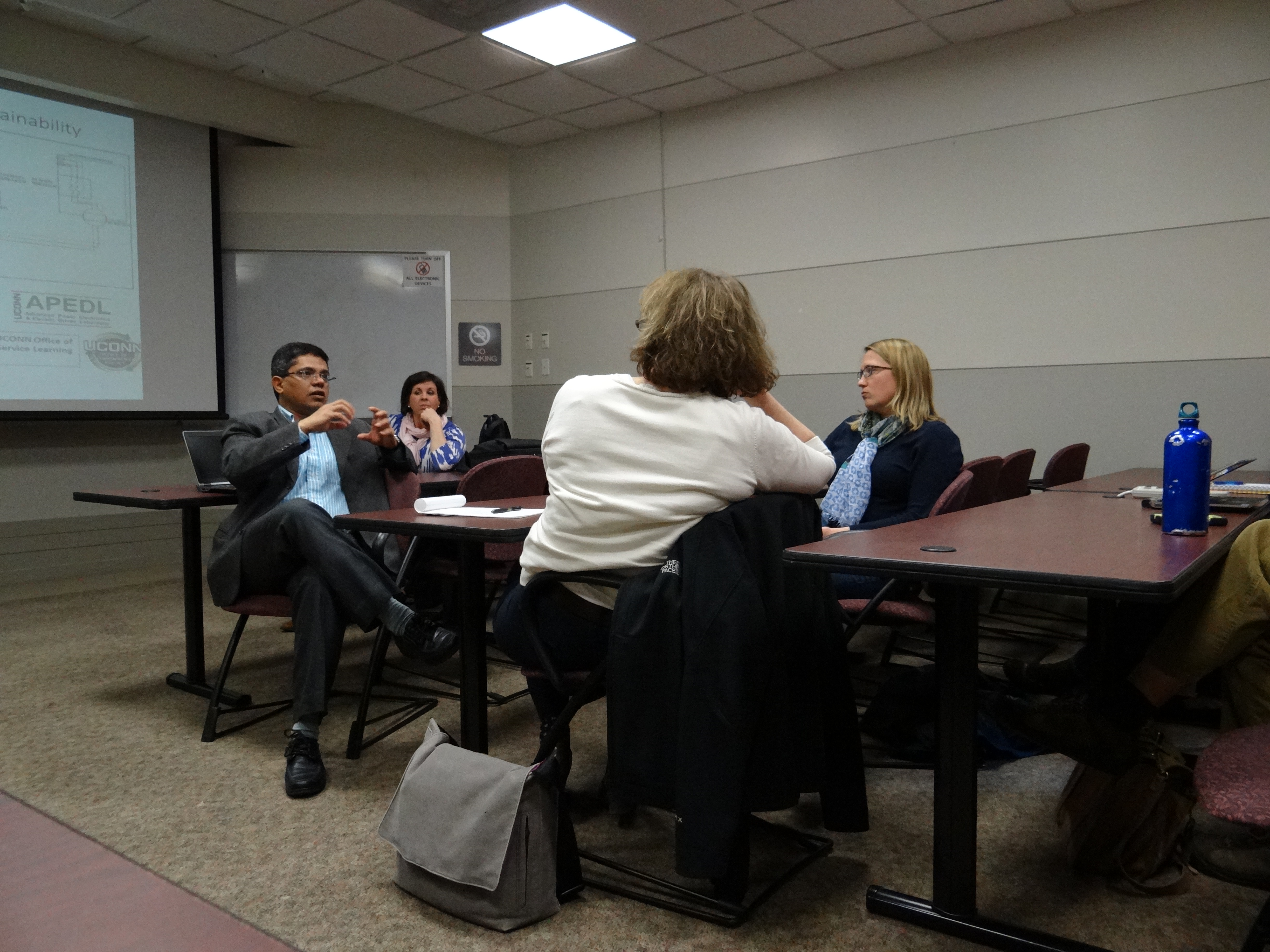 Both CESE and the Office of Public Engagement explained how their respective missions align with GCAN’s. CESE aims to lead and promote multidisciplinary research, education, and outreach in environmental science, engineering, policy, and sustainability. In co-sponsoring the activities of GCAN, CESE narrows this mission to incorporate sustainability and environmental issues that relate to UConn specifically. At the same time, the role of Public Engagement is to promote engaged scholarship, support faculty and staff in scholarly outreach efforts, and maximize UConn’s impact on communities through service learning. Service learning is a teaching and learning strategy integrating meaningful interaction with the community with instruction and relevant projects to enrich student learning, teach civic responsibility, and strengthen community/University partnerships. A number of the collaborative efforts pursued through GCAN have been designated as service learning projects.
Over the course of the past year, several collaborative efforts arose as a result of GCAN, primarily between the OEP and faculty from a variety of disciplines.
- The OEP reviewed proposals that students of Nataliya Plesha’s ARE course drafted for on-campus sustainability initiatives and attended their presentations and poster sessions after providing recommendations for improving upon those proposals. Similarly, the students in Laura Cisneros’ NRE class proposed viable sustainability projects for the University to consider implementing, one of which is the addition of bike racks on the front of the University buses to promote green transportation and cycling on and around campus.
- OEP also provided guidance on how to incorporate UConn sustainability into the curriculum of a few courses offered by Christine Kirchhoff (ENVE) and Carol Atkinson Palombo (GEOG).
- In the past year, OEP’s Director, Rich Miller, has given guest lectures about campus sustainability at UConn in more than half a dozen courses, from Environmental Law and Science, to Physics, Geography, Engineering and Political Science. Rich also teaches an honors UNIV seminar in Environmental Sustainability during the fall semester. Over the same time period, Paul Ferri, an OEP Compliance Analyst, has led a variety of classes on seven campus tours featuring low impact development/Green Stormwater Infrastructure, the Hillside Environmental Education Park, and other green campus amenities.
- Atkinson-Palombo’s students investigated UConn’s infrastructure and compared it to that of municipalities in developing countries to assess the sustainability of each and to better understand the resources required for development. Additionally, Atkinson-Palombo is interested in compiling case-studies drafted by her students regarding various climate change mitigation and adaptation strategies.
- Kristina Wagstrom (CBE) employed several undergraduate researchers to collect air quality monitoring data at various locations around the University. This case study also served as a pilot for testing and improving methodologies in order to expand monitoring into select cities and towns. Based on the results of these efforts, future research was identified regarding the air emissions from the food trucks that serve the campus. Wagstrom’s air quality monitoring project also provides preliminary data for her own research purposes, making this project mutually beneficial for her work, her students, and the University.
 Finally, several members of GCAN, including Oksan Bayulgen (POLS), Tracy Rittenhouse (NRE), Anji Seth (GEOG), and Mark Urban (EEB), worked together with OEP to send a UConn delegation to Paris, France in December, to attend the historic events surrounding the United Nations annual climate change summit, COP21.
- This enlightening experience was made possible with the help of CLAS, Global Affairs, CAHNR, the School of Business, School of Engineering, Marine Sciences, Coca-Cola, and the Campus Sustainability Fund who helped to sponsor the trip and worked with the faculty and the OEP to ensure a meaningful education experience.
- The four faculty mentioned above, two staff from the OEP, and 12 students were able to attend the public Climate Generations space at the conference, a Global Landscapes Forum surrounding sustainable land use and development, Solutions21, which focused on the ways in which business and enterprises can solve climate change issues, among other varied climate- and COP- related events.
- UConn also co-sponsored a higher-education networking event at COP21, with Second Nature and AASHE, which was generously hosted by the Kedge Business School in Paris.
- After their return from France, the students and faculty alike set out to promote change here at UConn by preparing individual projects educating the UConn community about climate change and solutions, pursuing an environmental awareness general education requirement, and initiating dialogue with the University about the possibility of divestment. Furthermore, two students and one of the OEP’s two graduate sustainability coordinators attended the CT Green Campus Coalition’s annual conference, hosted this year at the UConn Law School, to discuss the implications of COP21 and the measures that need to be taken to make significant and lasting change at Connecticut colleges.
 Finally, several members of GCAN, including Oksan Bayulgen (POLS), Tracy Rittenhouse (NRE), Anji Seth (GEOG), and Mark Urban (EEB), worked together with OEP to send a UConn delegation to Paris, France in December, to attend the historic events surrounding the United Nations annual climate change summit, COP21.
Following the increase in faculty engagement over the past year, and GCAN’s successful role in fostering it, OEP looks forward to numerous collaborative opportunities on the horizon.
If you are interested in learning more about GCAN or ways in which you can become involved please contact the OEP at 486-5773 or envpolicy@uconn.edu, OEP Director, Rich Miller (rich.miller@uconn.edu), or intern Ben Breslau (benjamin.breslau@uconn.edu).
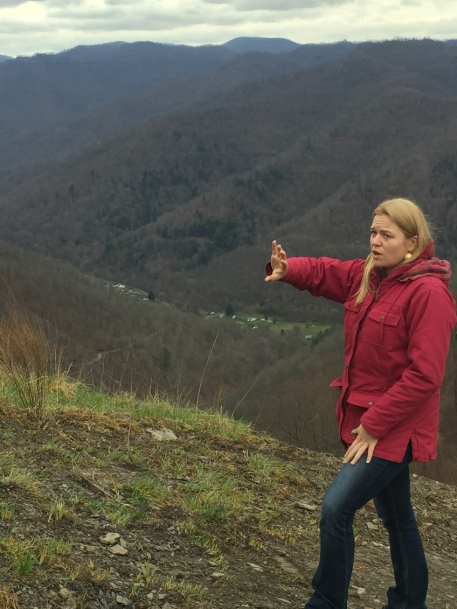
 This Spring Break, I had the privilege of participating in EcoHouse’s fourth annual service trip to Milam Creek and Glen Rogers in Wyoming County, West Virginia. Initiated by former EcoHouse program coordinator Brigid Belko, this Alternative Break assists the Friends of Milam Creek on various service projects. This organization is composed of local volunteer residents who seek to revitalize their community. In their own words: “Aspiring to restore Milam Creek and its adjacent neighborhoods to its former glory with clean, lush waters and creek beds, Friends of Milam Creek is uniting the community through collaborative action toward a healthier environment and better tomorrow.”
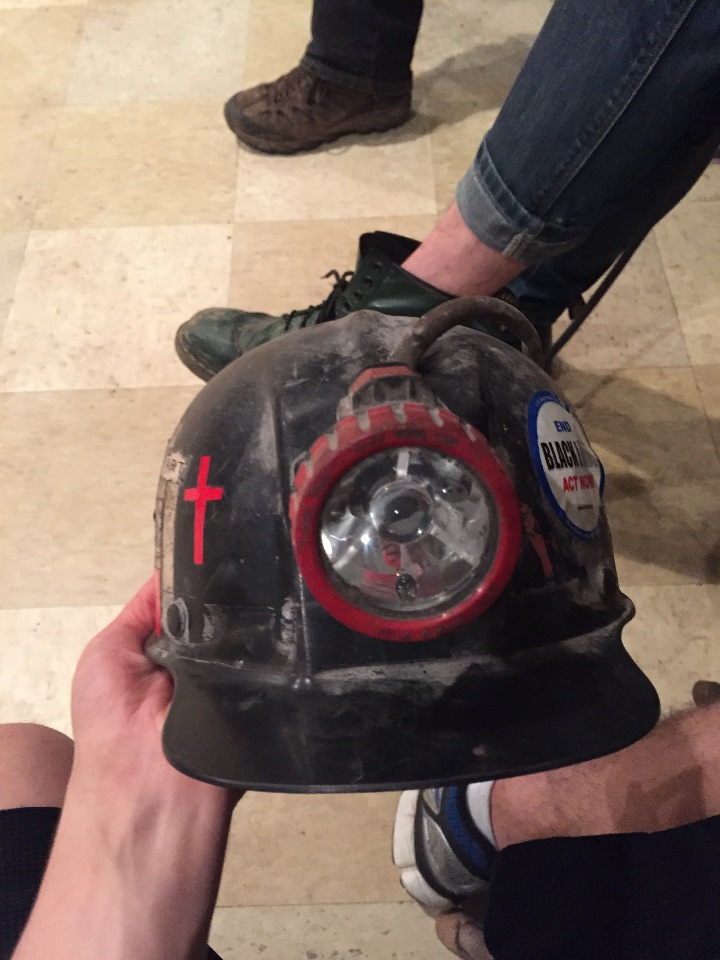
 Dvon Duncan, Friends of Milam Creek’s Secretary, and Donna Burner, Chair, welcomed us all warmly and gave an introduction to the town and its situation. The Milam, McGraws, Ravencliff, and Glen Rogers region of the county is one of many small, relatively isolated communities in southern West Virginia that has been severely impacted by the coal industry over the last century. For decades, the timber, gas, and coal industries have held a virtual monopoly on the region. At one time mining companies forced workers to buy all provisions from company stores, preventing the growth of local businesses. Most men in the area have worked in the mines at some point in their lives, since there are few other jobs available to them. In addition to very poor working conditions, the mines have polluted the surrounding watersheds with heavy metals and coal residue. As a result of landscape modification, the narrow creek and river valleys where most towns lie have been prone to massive and deadly floods.
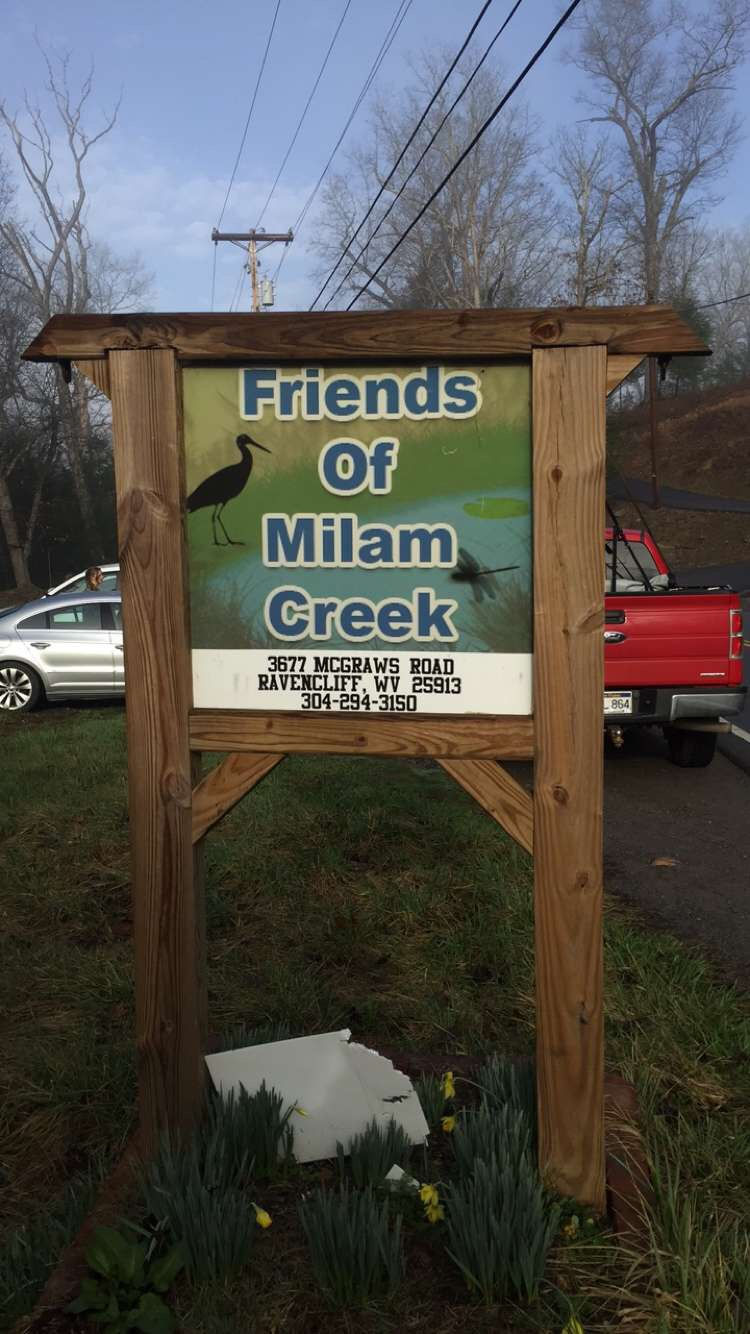 Throughout the week, we worked on several projects around the community. The main location was the Milam Creek House, where the Friends are based. Here, we helped to remove rotten wood from the basement and paint the building. Down the road, we helped to renovate the recently donated community center. This involved setting up electrical wiring and lighting throughout the building, as well as demolishing the old restrooms. Meanwhile, several people cleared invasive plants from the nearby creek bank to make room for a fishing deck. The final major project was the construction of a memorial to the more than 160 miners who died in Glen Rogers mines between 1917 and 1960. We installed a new fence and pathway on site to make way for the stone obelisk that will honor the dead.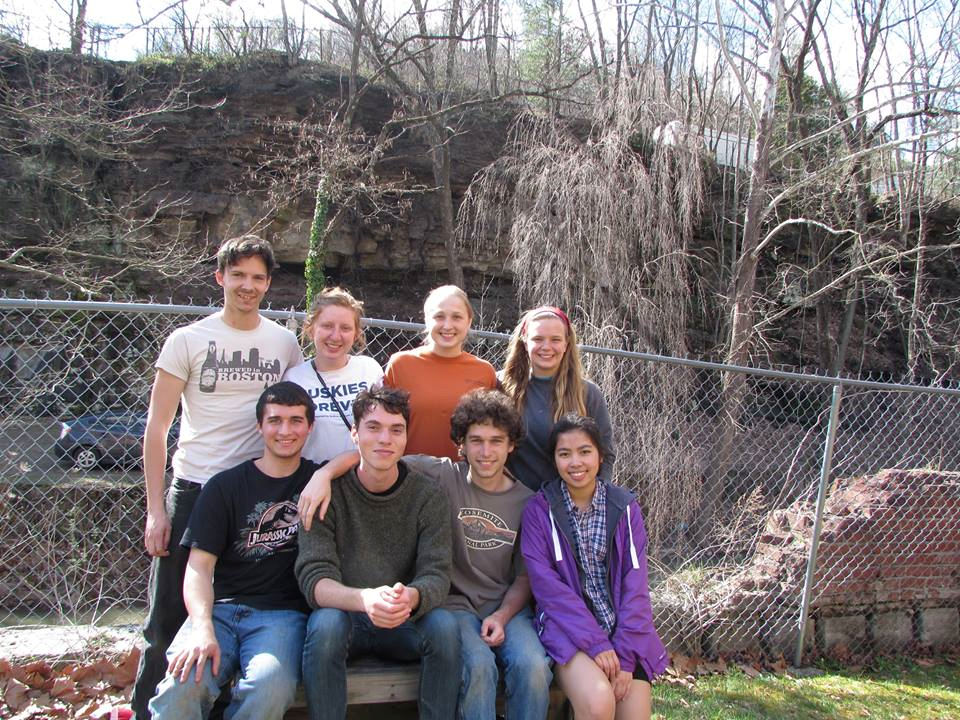



 There are two forms of tourism: Tourism (Tourist) and Responsible Tourism (Traveler). The ‘Tourist’ will travel to locations that are relatively safe and within their comfort zone. They’ll expect to stay in a 3-5 star hotels owned by large corporations, embark on tours offered by the hotel, and will typically not veer off the beaten path to unknown locations. They’re knowledge of the local people of that country and their way of life is very limited, and they’re not interested in learning more about it first-hand. They are waited on by local people but that’s about as far as their study of that culture within that country will go. The hotels they stay in don’t necessarily have any sustainability or energy efficiency practices, instead they offer tours such as riding with the dolphins and learning about culture by having a woman come into the resorts event area for a belly dancing show, for example. The ‘Traveler’, on the other hand, will be more open to experience off-the-beaten-path locations and unique experiences that test their limits. They’ll be more supportive of the economies of local cultures (staying in locally owned hotels), spending time learning about the local people and communities, adding to the regeneration of the environment that surrounds them, and trust in their hosts.
 During my travels in St. Lucia, I performed a case study. The island is comprised of at least several “1-800 Sandals” resorts. I wanted just to speak with the people who worked there to get a sense of their clientele and overall sense of happiness. The employees came up to me with a massive smile on their face, willing to answer any questions that I had, offering their input on activities, and the like. I sat down with one of them, Ron, and talked with him for a bit. I’m assuming he told me to call him Ron because it’s easier to pronounce to foreigners. I said, “Hey Ron, I’m not here to vacation, I’m here to learn more about 1-800 Sandal’s sustainability impact and its cultural influence. How do you like working here?”. He took me aside and said, “I can barely keep afloat, I work long hours, I’m overworked and don’t make enough to provide for my family. But it’s a job.” I asked, “Do the guests want to learn about your culture, where you’re from in St. Lucia?”, Ron responded, “No, they’re here for a vacation! They don’t want to learn about that type of stuff while they vacation here”, he said with a chuckle. I paid $70 for a dinner which granted me access to walk inside the premise. There were couples, mainly from Western areas of the world, and many from the US. I observed as they enjoyed their vacation, never leaving the resorts premises. They drank their Mojitos and Piña Coladas and enjoyed their Honeymoons, never once engaging in conversation with the people who worked for them. If they did, it was to show whoever it was they were Facetiming with, the idea that they were mingling with the local people when in reality, they weren’t. Meanwhile, the employees worked diligently to ensure a perfect vacation for their guests. They had the typical, “Save water, use less” signs located in the bathrooms, but in regards to their sustainability protocol, that was about it. In a place that receives an average of 9 hours of sunlight a day, they had no solar panels. They had no tours where guests had the opportunity to learn about the local culture. They had no reverse osmosis system or wildlife/ecology conservation program, which could easily be implemented given the vast capital that this resort chain endows. I went back to my locally owned lodge near the airport to digress. If these resorts focused on their sustainability message, the people who vacationed there would not only experience a luxurious vacation, but they’d walk away having contributed to the greater good of the environment and local culture. A feel good, do good vacation. There needs to be a major shift in the way we travel, and regenerative tourism has to be it.
 Two continents away was another resort I’d visited. Located at the tip of the Oman peninsula, nestled on the northern Musandam Peninsula and facing the Arabian sea, is the 5 star, Six Senses Zighy Bay Resort. The guests who visit this particular resort must be willing to venture way out into the Middle East. They have to be open to traveling two hours from the Dubai Airport by car, through the desert of UAE and Oman to get to this very secluded resort deep within the mountainous rifts. I took a seat next to Manuel, the Organic Garden intern at Six Senses. He traveled there from Germany. “How much of the garden is factually organic? In my experience, it’s challenging to harvest an organic garden over 80% to serve a hotel.”, I asked. Manuel said, “It’s a 95-98% organic garden that supplies much of the produce for the resort”. There is a compost system, a reverse osmosis irrigation system and the resort has plans to install solar panels in the near future. In every room, the guests can purchase a cute little Zighy goat stuffed animal where 100% of the proceeds go to the local schools. They also have cultural tours to the mountains and communities, where guests have the opportunity to visit the families who live in the surrounding areas. I took a ride with one of the guides and had the opportunity to meet Mohammed, a man from Pakistan who lived high up in the mountains. “I chose to live here for peace and serenity.”, Mohammed said. Every day, he climbs 100 stairs just to get to the top, where his rustic house is.
 The primary focus of Expedition 196 is to generate awareness within the tourism sector. To deter travelers from the traditional experience, and focus more on the development of regenerative hotels and tour companies, in order to reverse damage to the environment and save endangered species and cultures who are suffering. Traveling “Sustainably” doesn’t have to mean the letting go of things that provide comfort to the average traveler. That’s what rustic travel is for; to give up certain elements that make a person comfortable, in order to experience a truly authentic, and surreal experience, with traditional essences of normality, left behind. Sustainability and moreover, regenerative tourism provides an opportunity for the traveler to reduce their carbon footprint, while making friends with the local people. Sure, they might have to give up their Herbal Essences shampoo in order to use the biodegradable shampoo and soaps provided by the hotel (if they do so choose), but it’s a do-good-feel-good experience that should add to the overall authenticity of their vacation. Sustainable/Regenerative resorts, lodges and hotels can range from $10/night to $10,000/night. This form of travel appeals to all types of travelers and that’s the best thing about it. There’s really no excuse to not travel in this way.

 Some examples of these succulents that are structurally equipped to handle neglect are the famous Aloe Vera plant, Burro’s Tail (which looks like grapes), and my personal favorite, the Snake Plant. With that name, you just know it will look cool.
 This past Saturday, members of EcoHusky attended the Yale Environmental Law Association’s conference, “New Directions in Environmental Law,” at Yale Law School in New Haven. A variety of speakers in the forms of panels, opening and keynote addresses, and discussions all united to display that the environment, sustainability, and climate change permeate a tremendous number of issues in law.
 Later were four breakout sessions to choose from, with topics such as forest resiliency and the environmental impacts of violence in Colombia and Somalia. I chose to attend the session, “Coordinating Animal Law and Environmental Law,” hosted by Paul Waldau, Randall Abate, and Jonathan Lovvorn. About a third of global climate change is linked to agriculture and land clearing, and meat facilities account for a significant amount of water and land contamination; therefore, there is a clear connection between animal law and environmental law. Animal law currently does not have the leverage that environmental law has because the connection to human health gives environmental issues more federal coverage and legitimacy. Animal law does, however, appeal to humans’ abilities to care about other species, and triggers protection instincts, but there still exist too few federal laws regarding animal rights. What Waldau, Abate, and Lovvorn hoped to convey was that environmental and animal law have mutually valuable movements that could be much more powerful if they work collectively.
 After lunch, we heard from Christy Goldfuss, Managing Director at the White House Council on Environmental Quality. What stood out most in her keynote address was the importance of bridging gaps, whether it be between millennials and baby boomers, government and private businesses, or local citizens and the government. These connections are all vital in addressing major issues and developing solutions to climate change. A common theme throughout the conference was that the issue of climate change often breaks groups apart, and what we need to do is bring them back together.
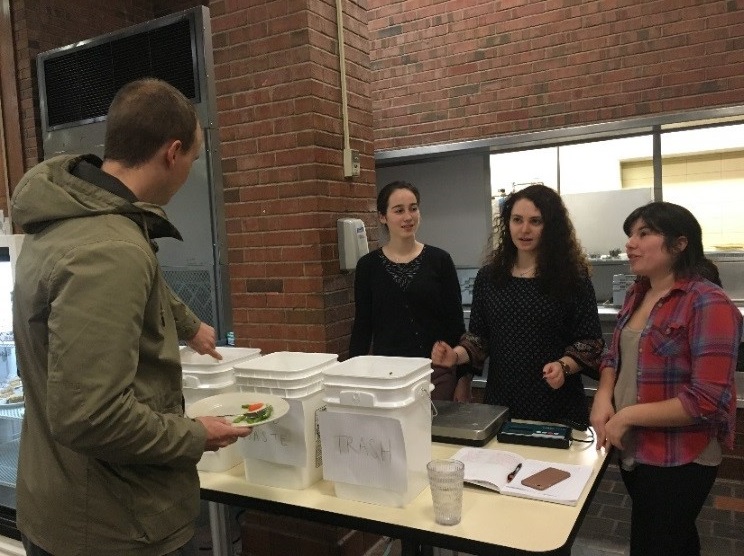
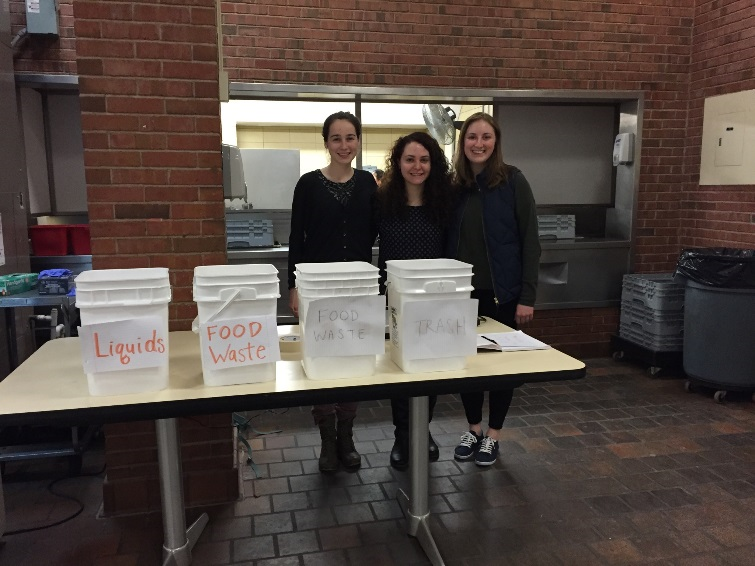 Ever think the “clean plate club” was just your parents’ invention to make you eat your vegetables? Well, think again! Finishing all of the food on your plate is actually a great way to minimize not just your carbon footprint, but also your methane footprint. When food sits in a landfill, it breaks down and produces methane, which is an incredibly potent greenhouse gas, even worse than carbon. Shockingly, nearly 40% of all the food in the United States goes to waste, which has a huge impact on the environment.*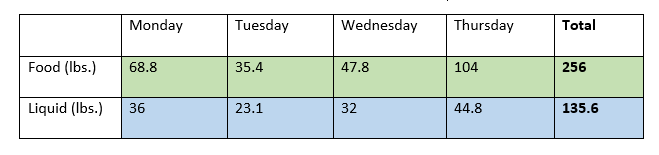
 So the Supreme Court’s decision was a huge victory for the climate deniers and a major setback for the rest of us. Below are links to two of the many recent articles and opinion pieces about the SCOTUS’s ruling.
 Conservative Republicans who control the U.S. Senate, mostly representing states that are still heavily dependent on cheap and dirty coal for generating electricity, are threatening to block approval of any nominee advanced by President Obama. Meanwhile, the more progressive West Coast and Northeastern states, like Connecticut, which have long since transitioned away from coal, might actually stand to gain an economic advantage through the enactment of the CPP. Our state and others are joining EPA in the legal defense of the CPP and would like to see the President appoint a climate realist to SCOTUS, sooner rather than later.