Contributed by Sustainability Intern Grace DiTunno
Next month, 11 UConn students will be departing from UConn and flying 11 hours to Antalya, Turkey, to this year’s UN’s Conference of the Parties (COP). UConn began sending students to the conference in 2015, when the landmark Paris Agreement was created. The Paris Agreement was the first widespread international agreement that focused on countries reducing their carbon emissions through nationally determined contributions (NDCs) and setting our goal warming temperature to no more than 1.5 degrees Celsius. This agreement brought international attention to climate change like never before. At the conference, UConn students will be able to see the climate negotiations that happen between nations and represent UConn and US academia as they speak to fellow students, ambassadors, and advocates.
In this series, I will be highlighting the stories of five COP31 fellows following their journeys before and after COP.
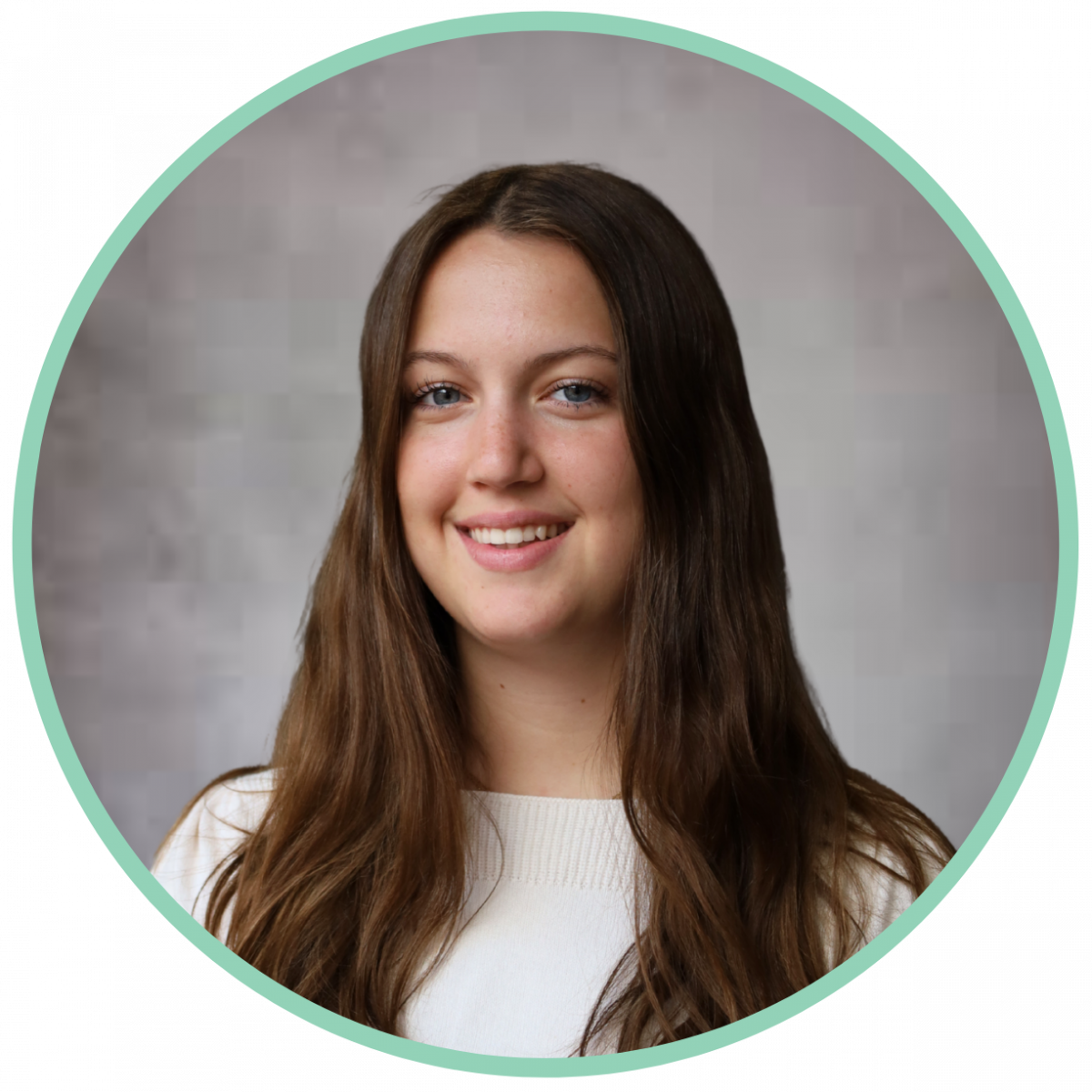 Paige Gregory, a senior Environmental Studies major, Political Science and Climate Science minor on the Master’s of Public Policy track from Virigina Beach, saw the firsthand impacts climate change had on coastal communities while growing up. She highlighted how she worked on banning plastic bags with her city council members and created a rain garden for her Girl Scout Gold Award. She just recently wrapped her summer at the Naugatuck Valley Council of Governments (NVCOG) in Waterbury, CT, working on the USDA-funded expanding urban agriculture project and as research apprentice at UConn’s SUPER Lab. Paige is currently interning at the Office of Sustainability.
As a college student, balancing personal environmental goals while bearing the weight of an anti-climate federal government can feel overwhelming. However, our UConn fellows are having pre-departure meetings to prepare for this experience. In these meetings, the fellows collaborate with faculty a divisors, discussing climate topics and how to be a good ambassador for UConn.
For Paige’s preparation for COP, she is “personally staying up to date on global and federal climate news. The United States government is not attending, so that means that universities, students, and professors who are going are going to be the face of the United States.”
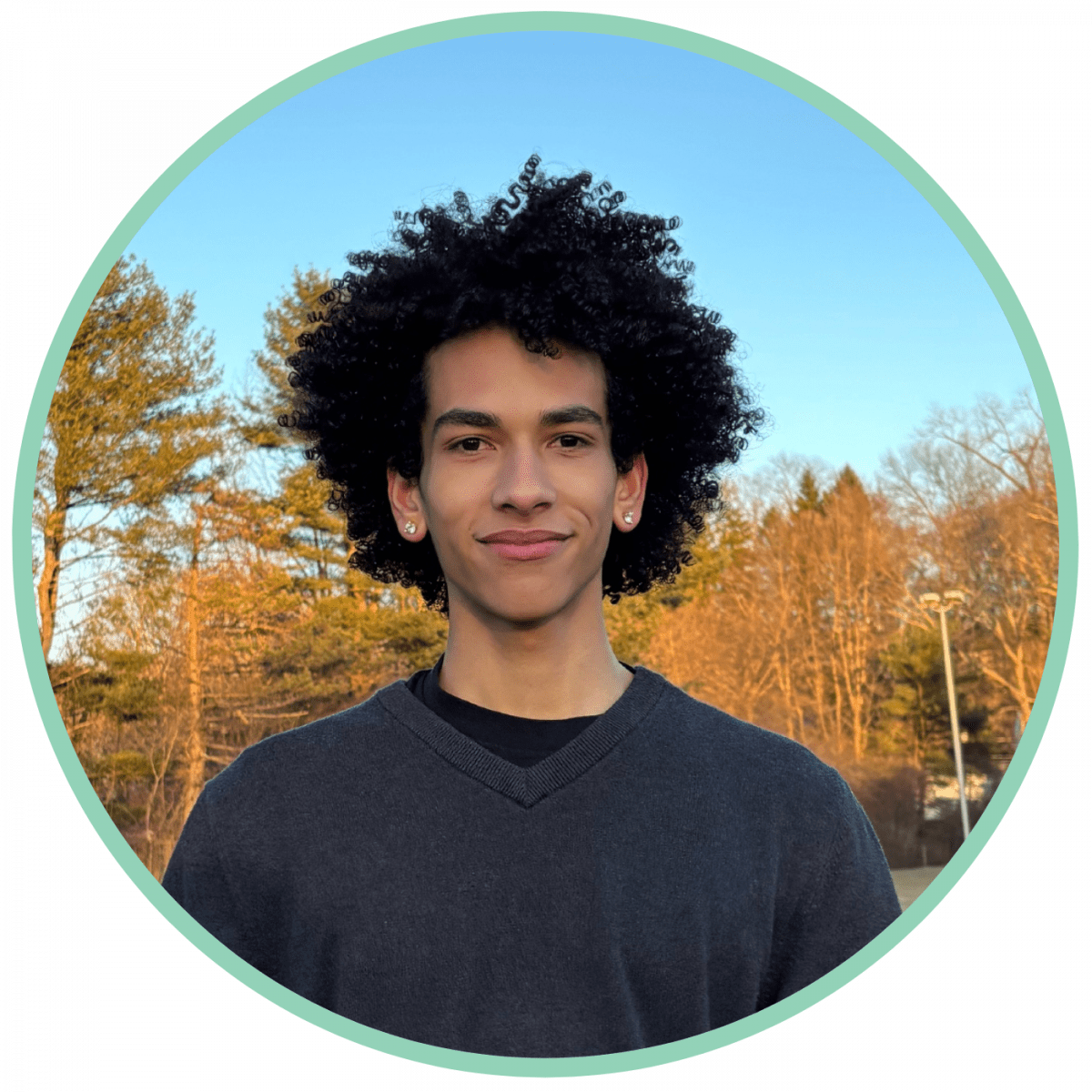
In addition to the conference, fellows have cultural immersion experiences to better understand the life and culture of the host country. Brenny Alcantara, who describes himself as a confident, introspective and very passionate individual with a curiosity for new information, couldn’t describe how eye-opening the experience of Turkey as a whole will be. “To go to a country such as Turkey is an amazing opportunity. Just being able to experience a completely new culture, a different mode of life, for a mere nine days, I think will be very beneficial to my perspective of the world and build on the curiosity that I have.” Meeting residents of the host country and learning their way of life builds cross cultural understandings and lessons all fellows can take back home.
 Policy and politics are seen on the global scale at COP, yet small town perspective is sometimes undermined when everyone is focused on the large, influential countries. Ryan Engels, a Political Science student, is a member of the Zoning Commission and Chair of the Sustainability Committee in the small coastal town of Westbrook, Connecticut.
“I saw that not many young people were doing this type of work. I knew that those decisions that were being made by commissions would impact my generation. So, I decided to bring my youth perspective to it.”
When Ryan goes to COP, he is excited to “learn what other communities are doing in the face of climate change,” especially regarding responsible land use and redevelopment.
 Samantha Glass, a PhD Candidate in Oceanography, was inspired by a fellow graduate student and former UConn@COP Fellow to apply to COP. When she started graduate school, she thought she wanted to be a research professor, but throughout her time in grad school, her perspective has since evolved. “I realized that I wanted all the signs that we have about climate change to have the ability to impact the policy that gets made.”

While the science and policy sides of COP are constantly highlighted, business is another factor at play. Take Megan Romansky, a second-year master’s student in Applied Resource Economics, who has an expansive background in welfare, environmental justice, and energy. “I really care about advancing economic growth while keeping it clean and equitable,” she said. “I can’t wait to step outside my comfort zone.”
While all of the fellows are excited for this life-changing experience, many of them are approaching COP with a critical, but open mindset.
Brenny mentioned the unfortunate truth of these conferences. “We are on COP31, and the world is still burning.” While the famous 2015 Paris Agreement is still in action, countries are not reducing their emission to the level that is needed, and climate has become a backburner issue for many countries. Both Samantha and Megan agreed that they are coming to COP with “no expectations” to be able to fully absorb other people’s and countries‘ perspectives. As Ryan mentioned, he is there is to “learn what other communities are doing.”
As our fellows continue to prepare to be UConn’s and the United States’ global ambassadors, the rest of us back home can learn from the fellows by following along. We can be active learners by following news developments from the negotiations and hearing from the fellows at the Climate Change Cafe on December 2nd hosted by UConn’s Office of Sustainability. As mentioned before, a follow-up story will be written here with the same five fellows, giving us a firsthand account of what it was like to be a UConn@COP fellow.