Overall, COP 30 was one of the most overwhelming but beneficial experiences of my life. Going into the conference, you know there will be many countries represented, but you never truly grasp how influential this conference is to so many areas and people around the world. Each day, I was constantly meeting someone new who had a completely different background but was there for the same goal. Everyone was there to support the climate in one way or another, but many countries had interesting ways of showing it. One of the key lessons I learned from COP is how important it is to talk to people with different perspectives. I was given the opportunity to attend an ocean panel about how to address ocean acidification. During this panel, there was a variety of speakers from different backgrounds who brought such unique perspectives to the conversation. For example, I was able to hear viewpoints from policy, finance, research, and local community representatives all focused on the same topic. Hearing these perspectives enhanced my understanding and made me realize that many of the discussions that happen at COP 30 involve countless considerations.
This leads to the next key lesson I learned from COP: how important language is in the Paris Agreement. I attended a panel about gender and climate change where a document was being reviewed, and delegates from different countries could offer feedback on the revisions. Throughout this discussion, delegates constantly recommended changes they felt were necessary. At first, I had a hard time understanding how such a small change—like a comma—could make a significant difference to a policy or document, until I heard the explanations from the delegates. For example, in the original document, one of the phrases used was “local indigenous communities.” A delegate requested that there be a comma between “local” and “indigenous” because, without it, the language implied that the agenda item would only protect indigenous communities that are local, and not all indigenous communities. This is just one example of the many corrections and small changes in policy language that can have a major impact, and it was something I learned during this discussion.
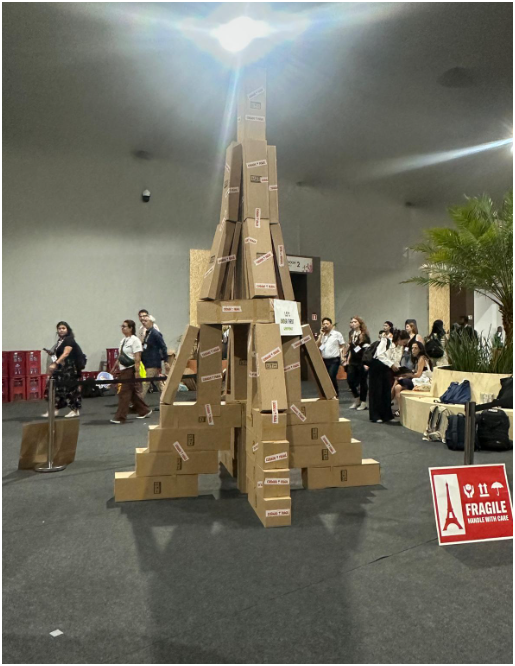 Overall, based on the key lessons I learned from COP 30, I am very excited to apply them to my personal and professional life. One of the ways I am going to apply these lessons is in the remainder of my education. As an engineering major, it can be very easy to get stuck in a technical mindset and not focus on other perspectives when implementing solutions. Based on what I learned from COP 30, I hope to change that by bringing a more holistic mindset to my professional career—looking at solutions not just from a technical standpoint, but also considering policy, community impact, and finances. Another way I am going to apply what I learned about critical language is in my future efforts to make a positive contribution to climate action. I will be more careful and intentional with the language I use and how I present my knowledge to others. Overall, COP 30 opened a variety of doors and perspectives for me that I look forward to applying in both my personal and professional life.
Sanya Sharma is a senior environmental engineering major.